


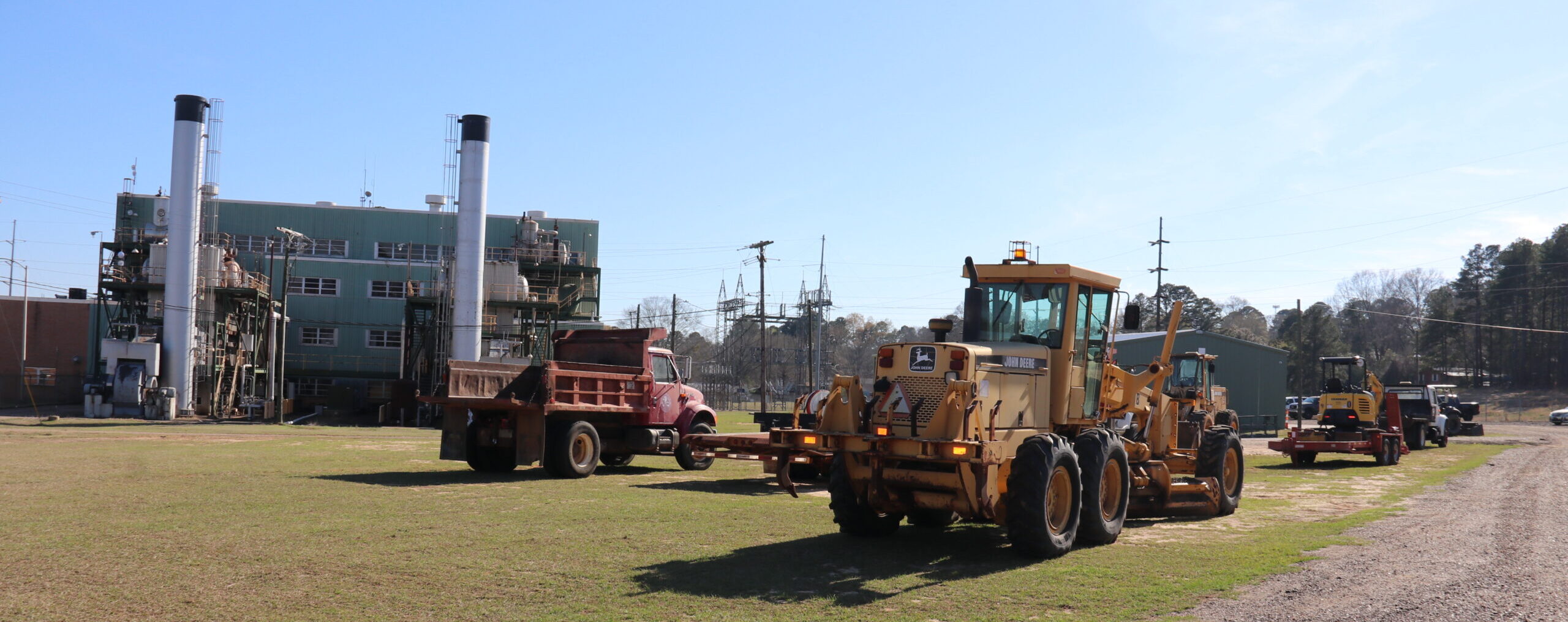
A recent tour of the City of Minden’s Public Works complex highlighted how consolidating departments into a centralized location has improved coordination, efficiency, and emergency response across the city.
The tour showcased the city’s effort to bring most public works operations into close proximity. While still spread across multiple buildings, the departments are now largely within line of sight of one another — a change city officials say proved especially valuable during the ice storm in January.
Previously, departments were scattered throughout Minden, slowing coordination during emergencies. Today, most operations are housed in a centralized complex, with the exception of facilities that cannot be relocated, such as the wastewater treatment plant and the airport.

According to the City of Minden, the Public Works Department provides electrical service to approximately 5,500 customers, maintains more than 100 miles of streets, and oversees water and sewer infrastructure serving more than 13,000 residents.
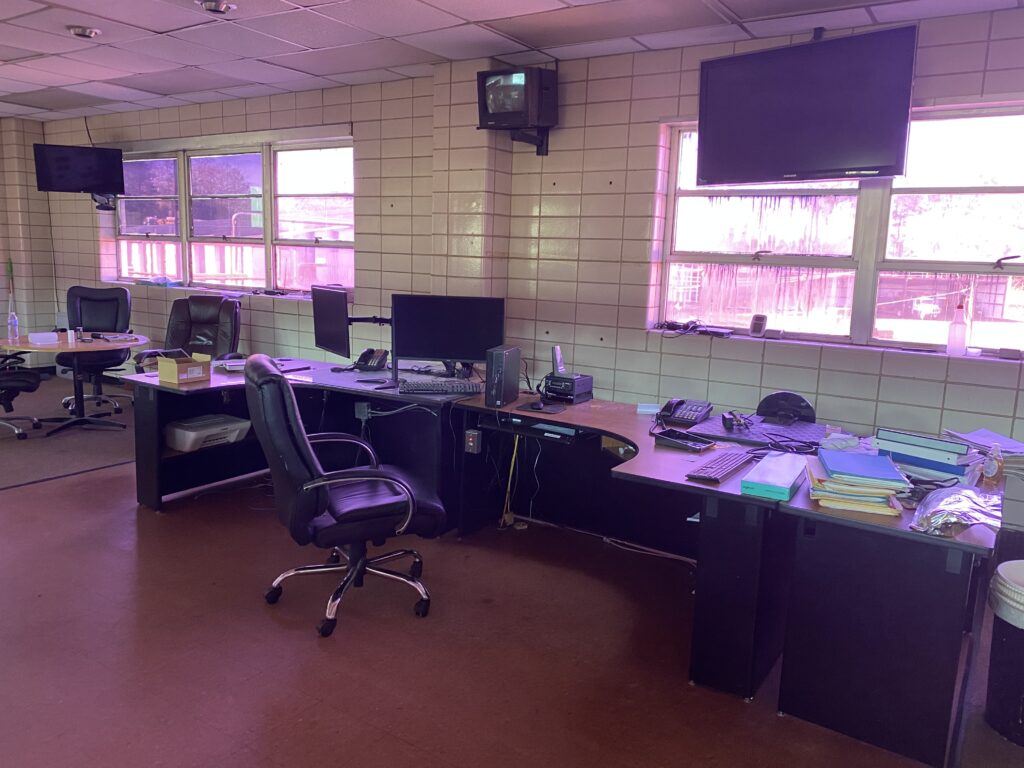
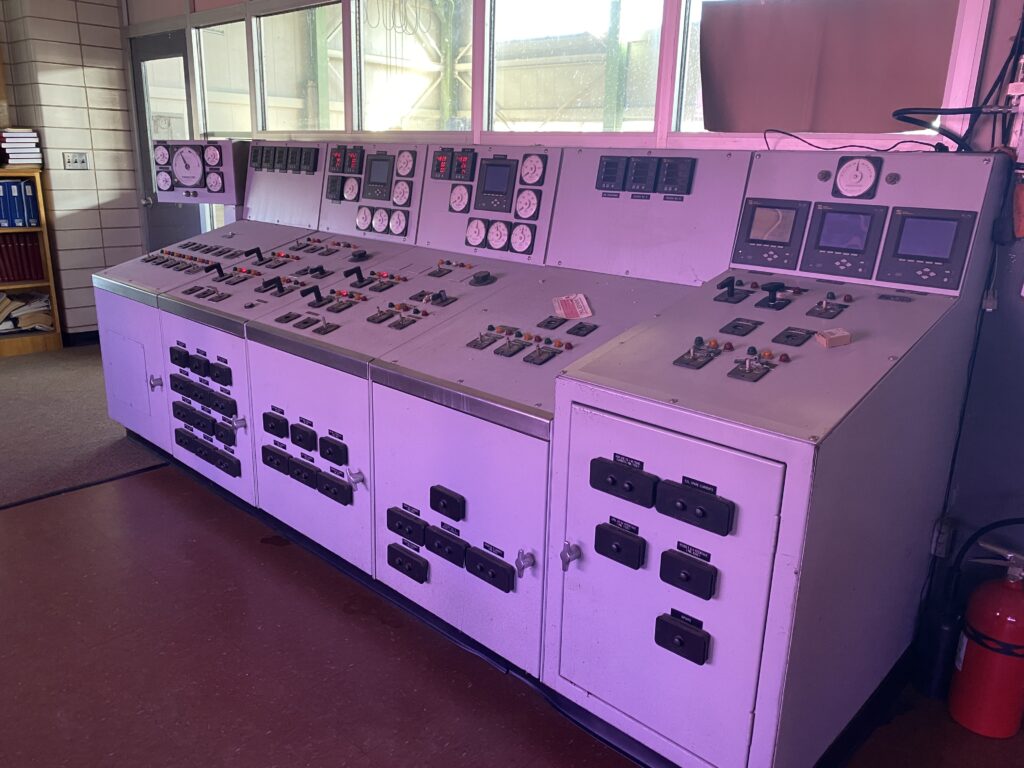
Public Works Director Tyler Wallace and Assistant Director Russell Poole led the tour, beginning at the main operations building, which houses the control room for the city’s electric and water systems.
Inside, two employees were on duty monitoring systems — part of a 24-hour staffing model that ensures continuous oversight. Wallace said the control room serves as the central hub for dispatching and coordinating all public works activities.
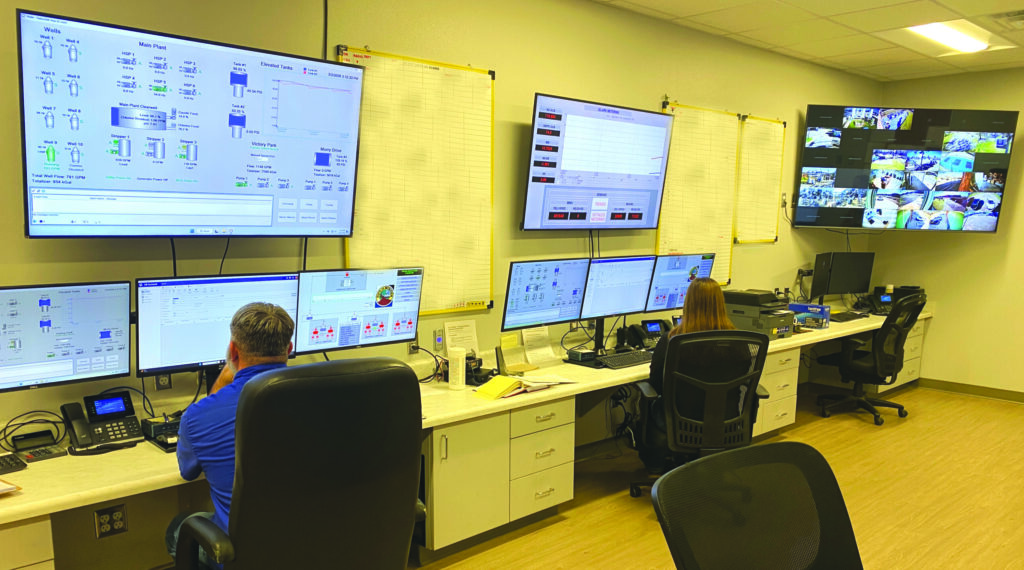
“All the departments run through here and are dispatched from here,” Wallace said.
Calls from residents are routed through City Hall during business hours and automatically directed to the control room after hours. Staff handle service orders, account lookups, and emergency response coordination.
The control room also monitors security cameras at substations, public facilities, and parks throughout the city. Wallace noted that routine testing is conducted regularly at the water treatment plant, with oversight coordinated from the control center.
The facility includes a conference room used for training and meetings, multiple offices, a break room, and even an outdoor deck area. Backup generators ensure the building remains operational even during widespread outages.
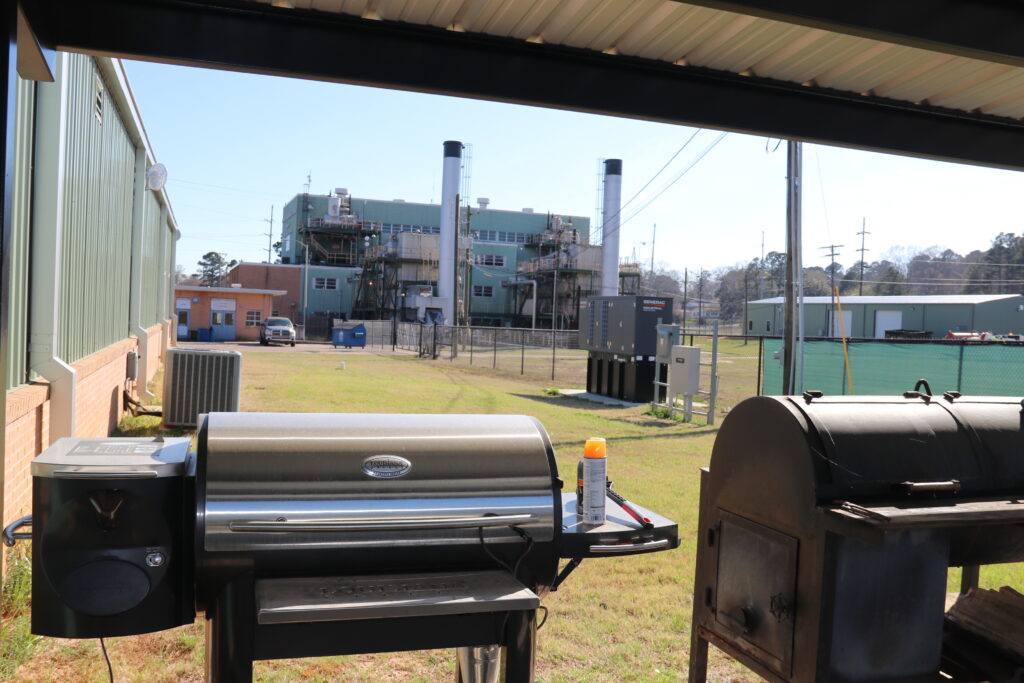
“This building is backed up to a generator so it will always have power,” Wallace said. “Even if the whole city loses power, this one is still online.”
Adjacent to the main building is a new structure housing the Street Department along with water and sewer operations. Surrounding the buildings are open and covered areas for storing heavy equipment.
“We kind of turned it into a complex,” Wallace said. “It’s nice to have most of your stuff in one centralized location.”
Before consolidation, departments operated out of separate locations across the city, including Talton Street, the former Wildlife and Fisheries building, and the old armory.
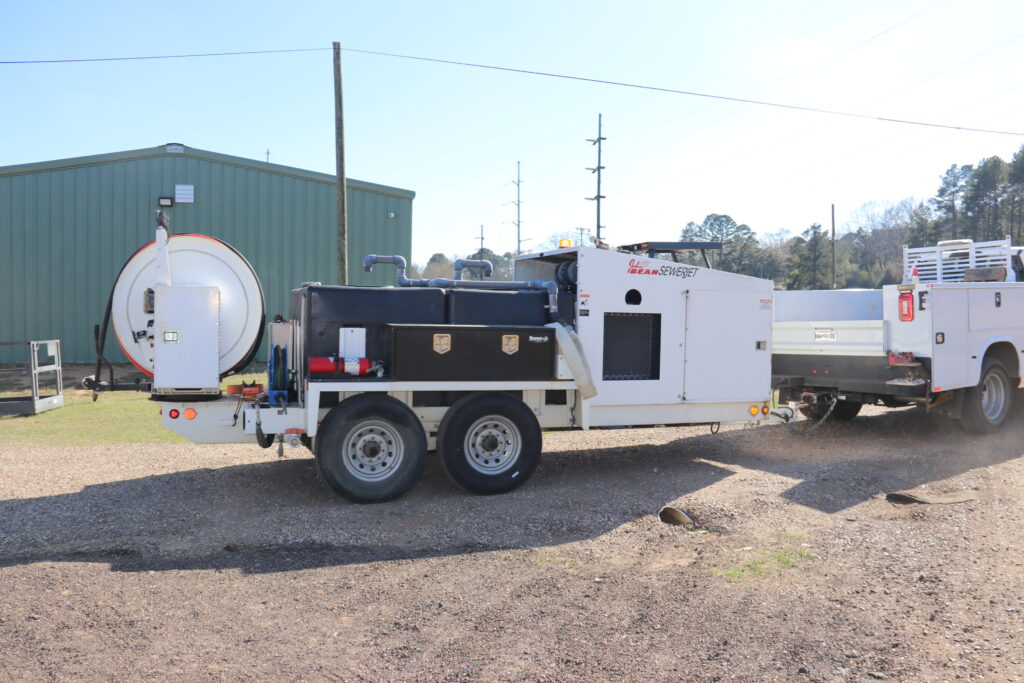
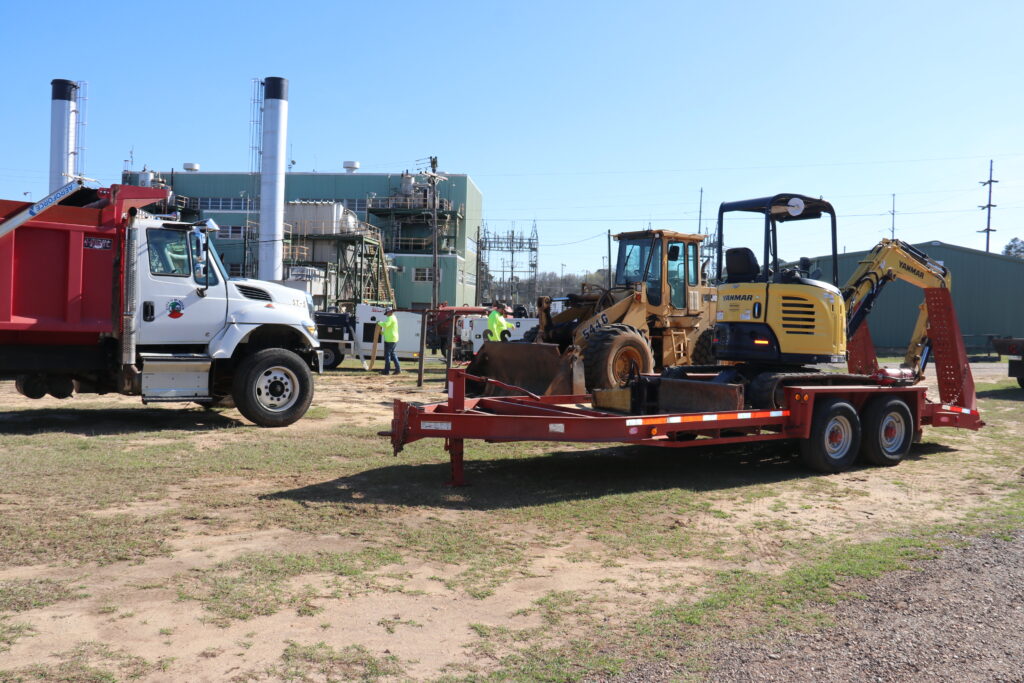
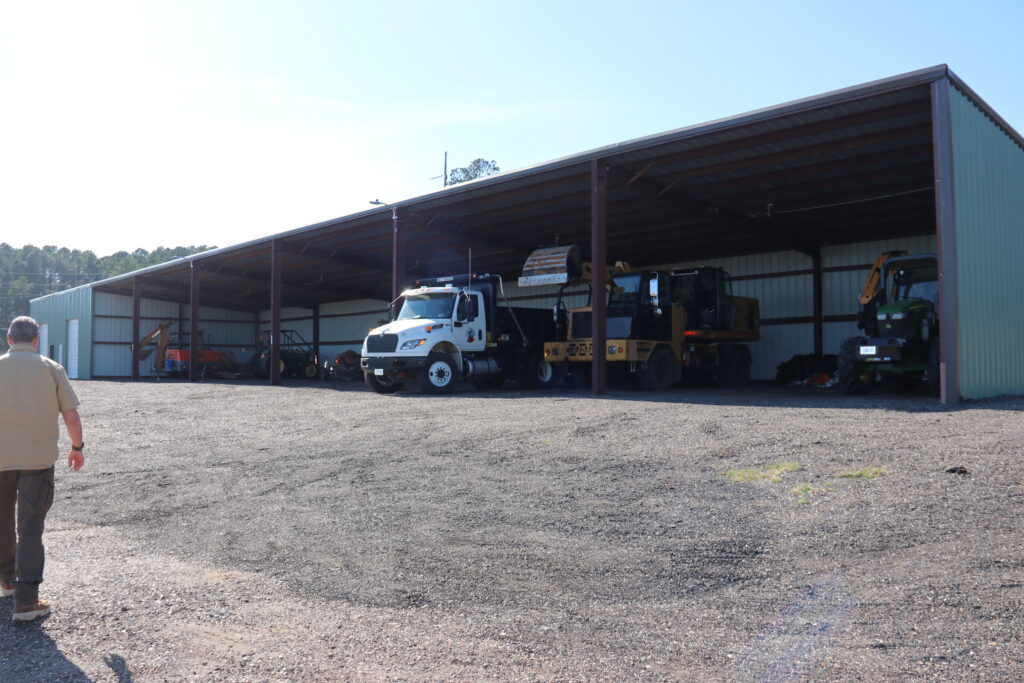
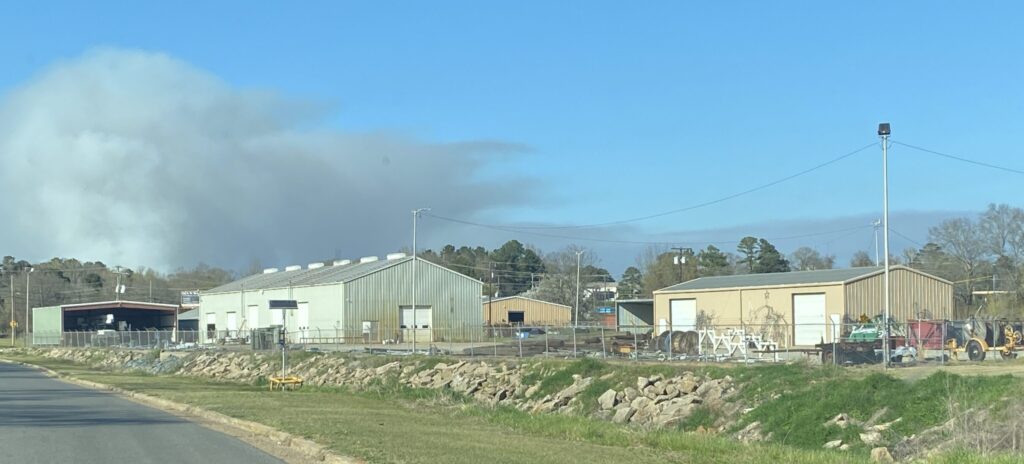
Other key components of the system remain nearby. The electric line crew operates across the street, the warehouse is within sight, and the water treatment plant is located a short distance away. Wallace said there is still room for future expansion within the complex.
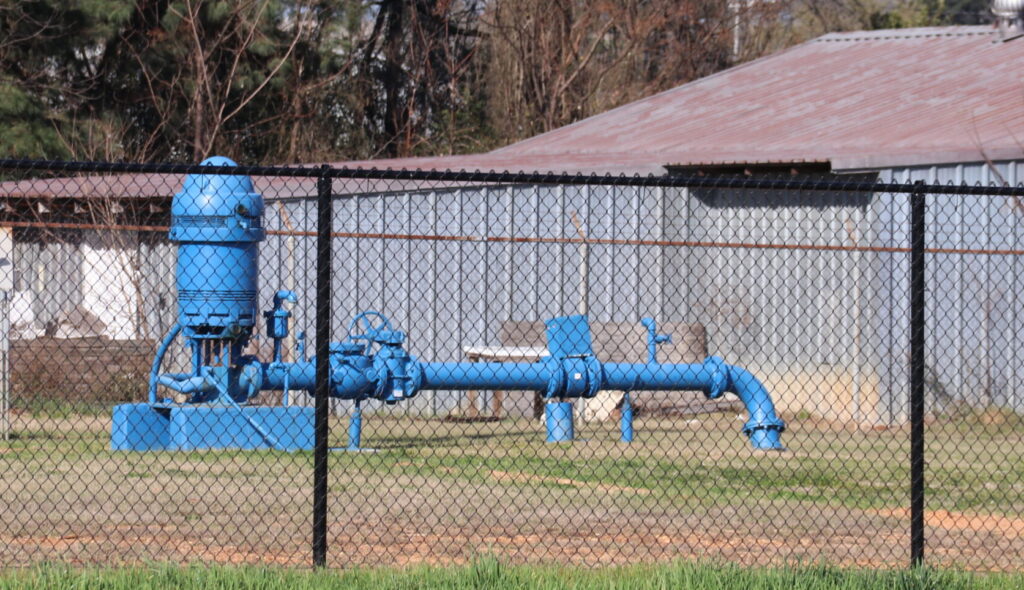
During the tour, Wallace pointed out one of the city’s approximately 10 water wells, which draw from the Sparta Aquifer. Water from this source requires only light treatment before it is ready for consumption.
“It’s really good water,” he said.
Poole added, “Best water in Louisiana.”
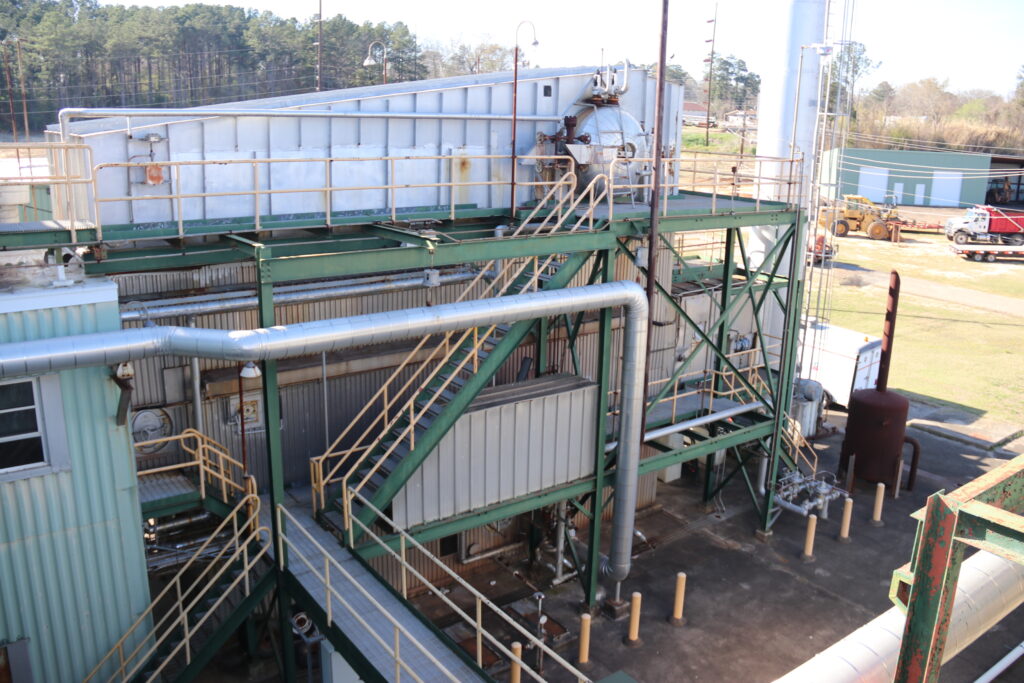
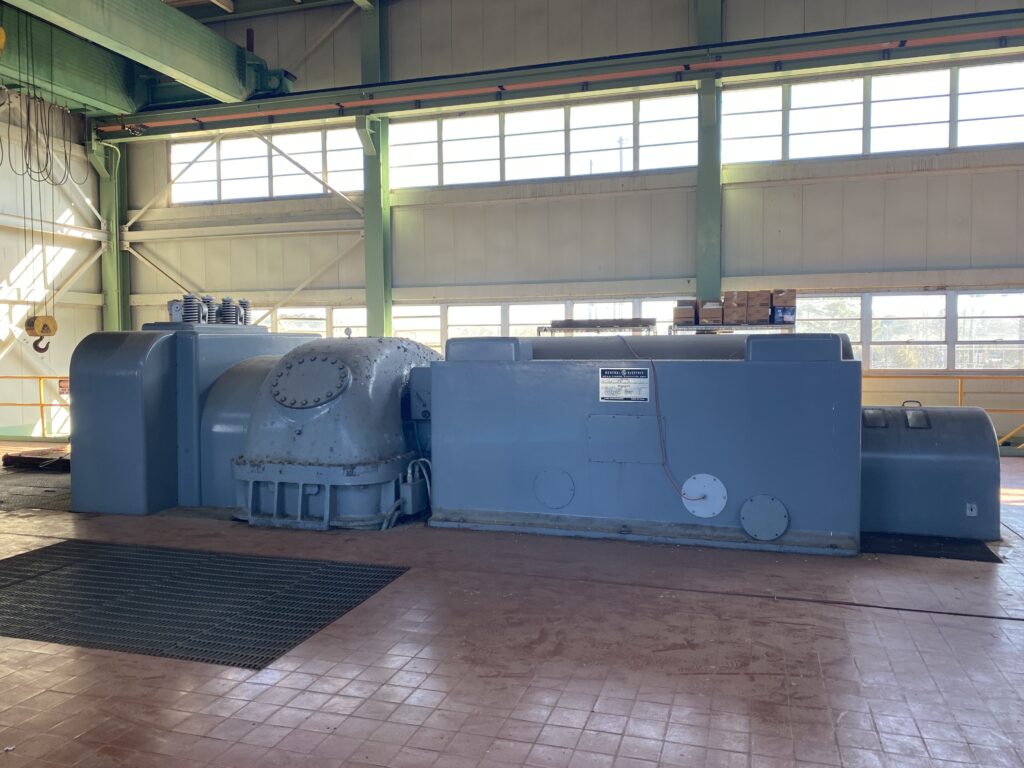
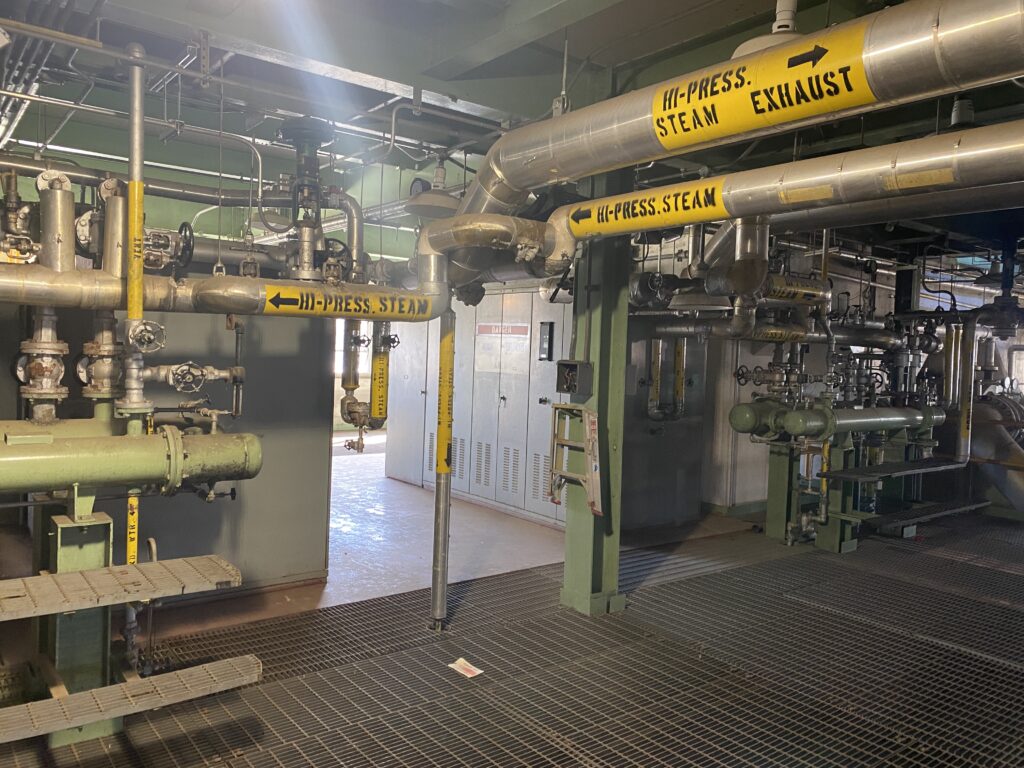
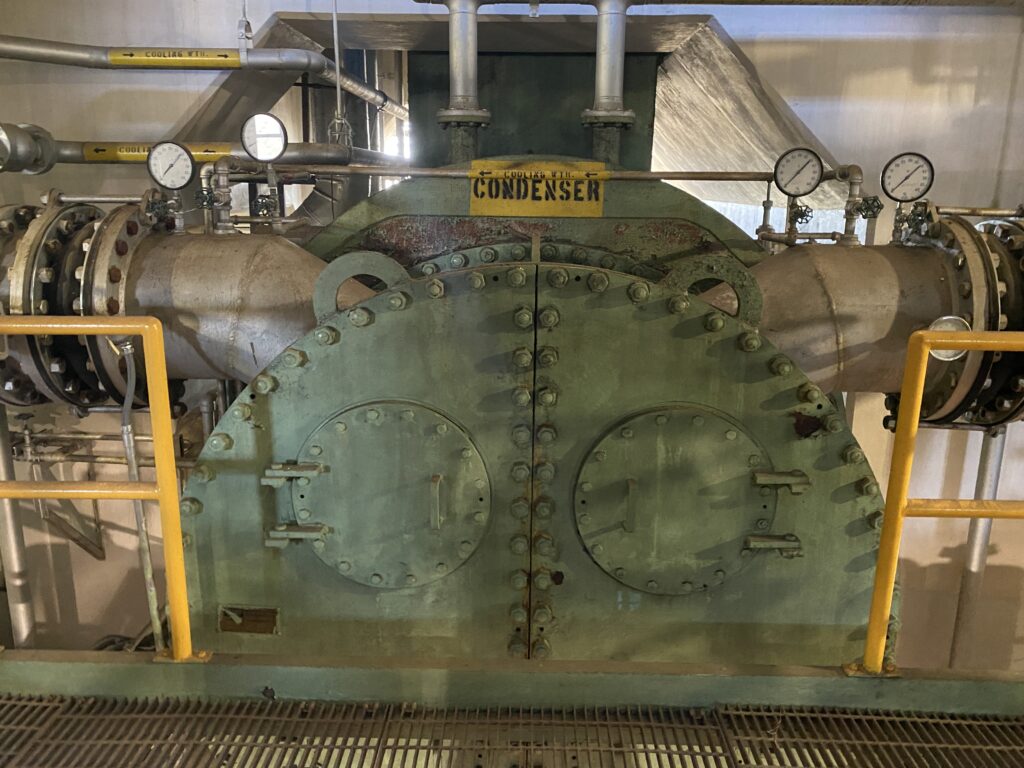
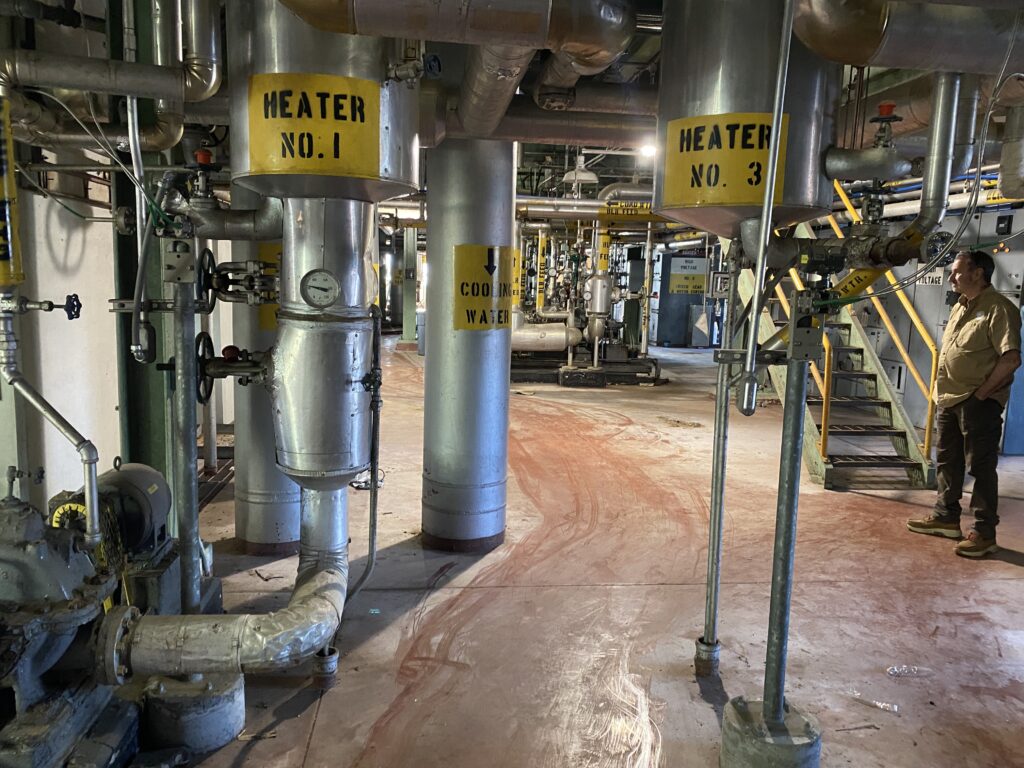
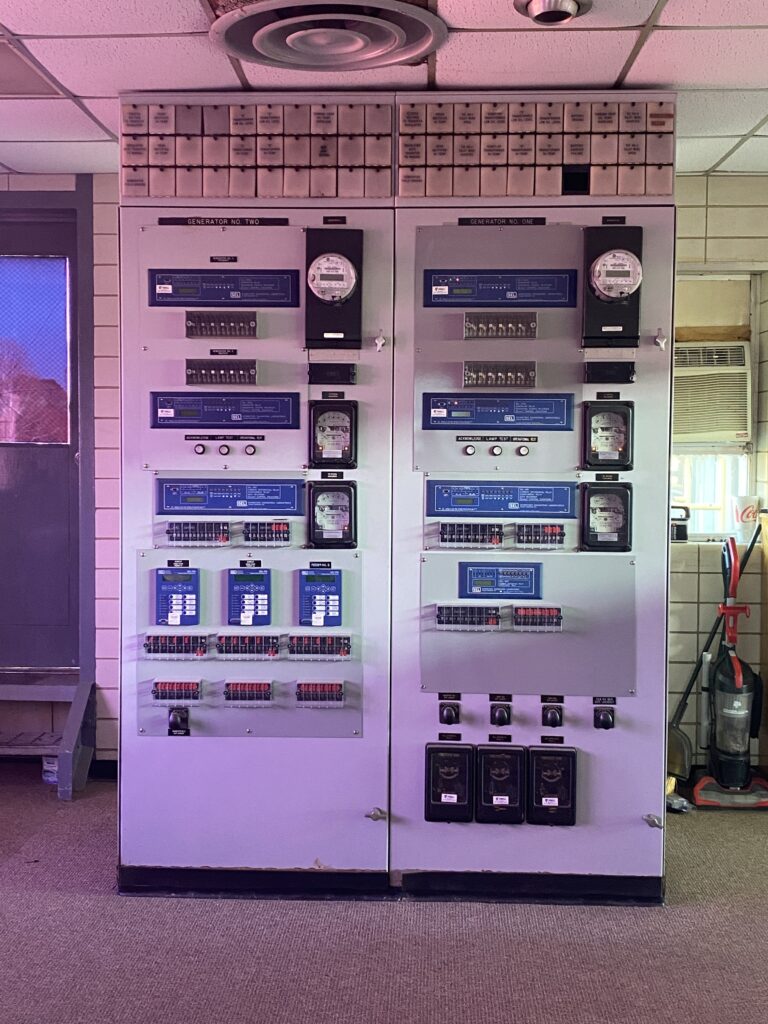
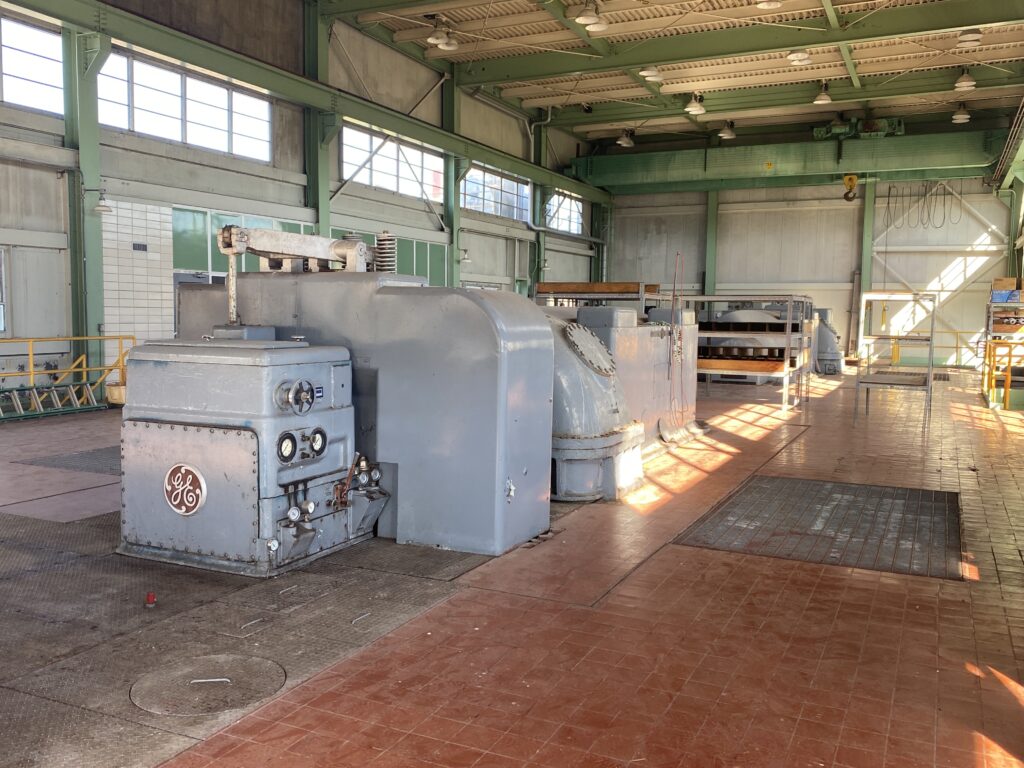
The final stop on the tour was the city’s former steam plant, now inactive but still housing equipment from its operational years. Poole, who has worked for the city for 40 years, managed the facility from 1997 until its closure in 2017.
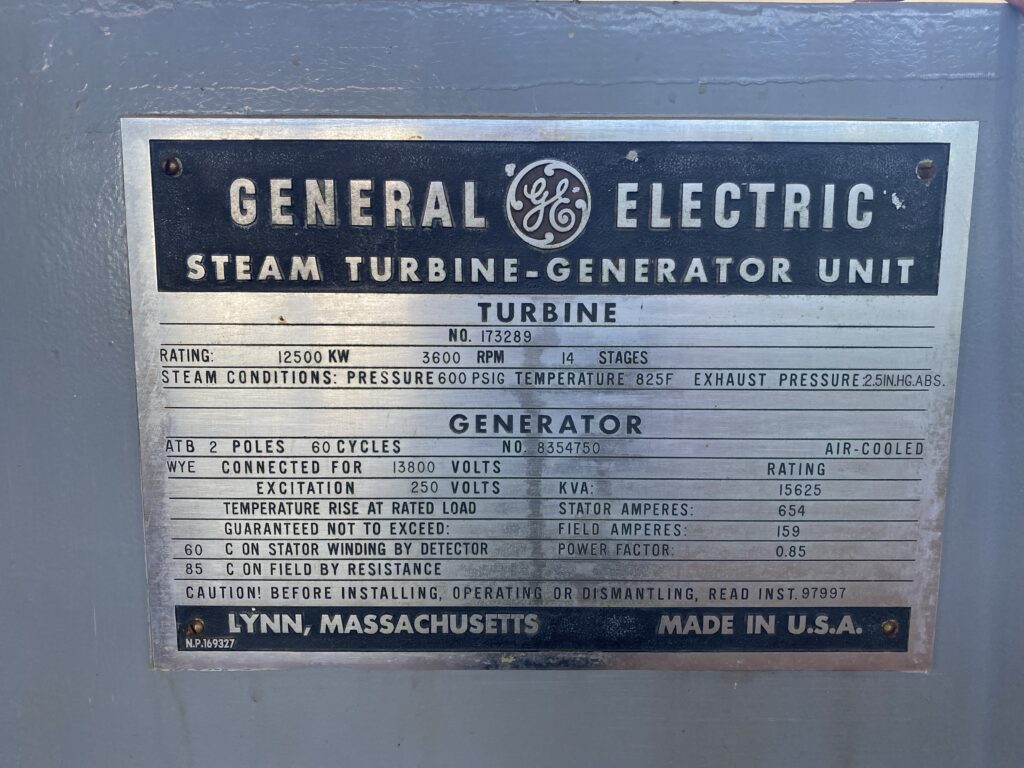
Minden now receives electricity through the Louisiana Energy and Power Authority, with power distributed through substations. While the steam plant could theoretically be reactivated, Poole said its generators are less efficient than modern systems.
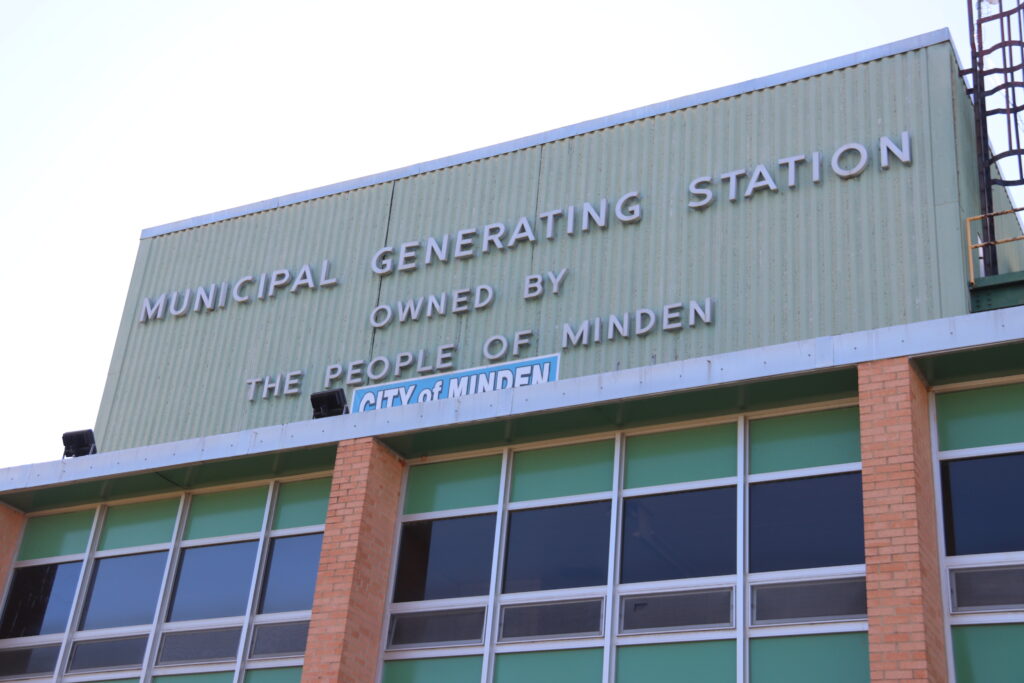
Walking through the facility offers a glimpse into an earlier era of power generation, with equipment dating back to the late 1960s and early 1970s.
City officials said the consolidation of public works operations, combined with ongoing infrastructure upgrades, is part of a broader effort to improve service delivery and preparedness.