

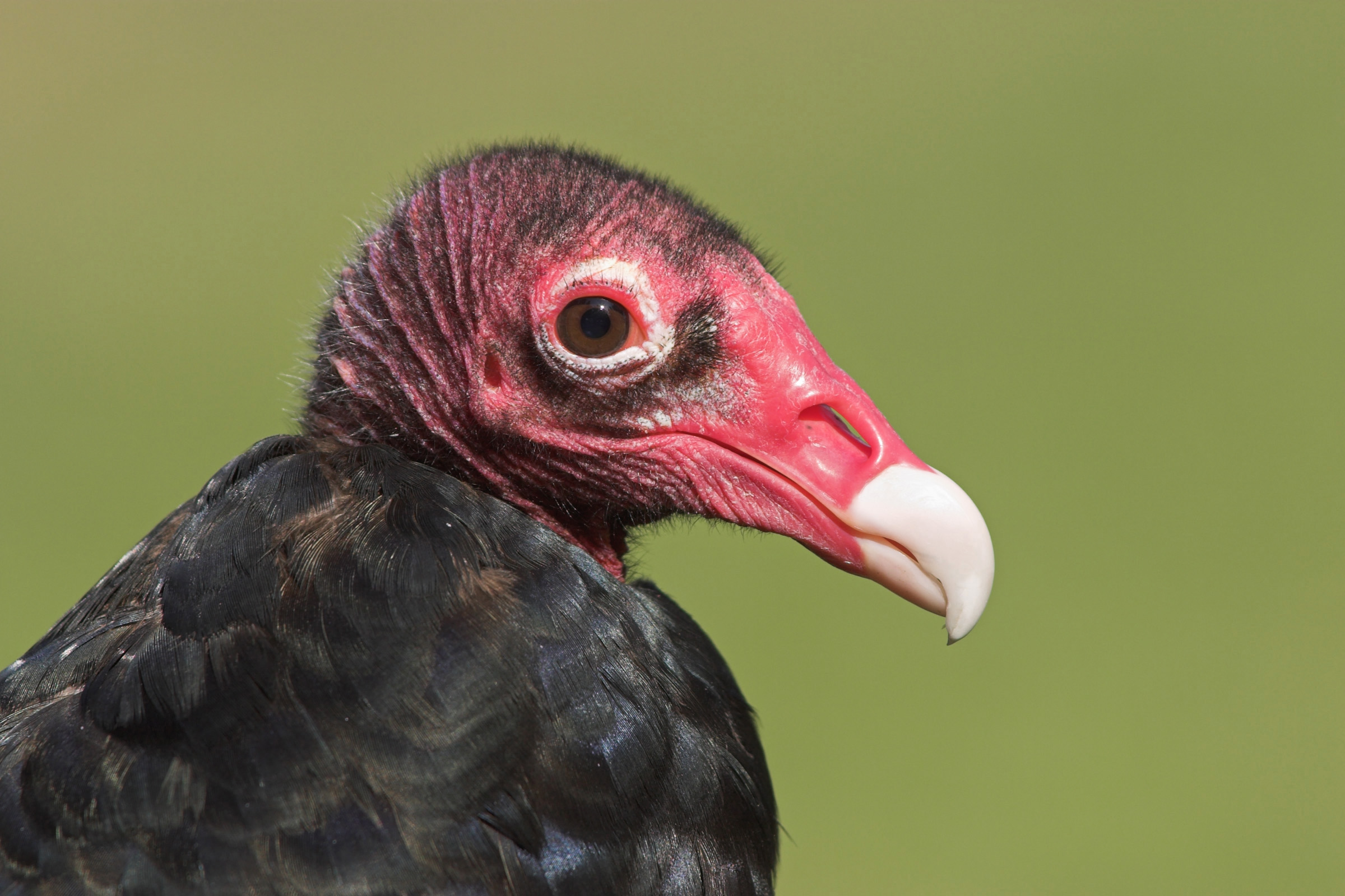
Featured photo: Buzzards can be good, can be bad but always quite ugly. (Courtesy Photo)
(After seeing lots of buzzards lately, here’s a chapter from my book “Fathers, Sons and Old Guns” that triggered a memory.)
If ever there was a creature on God’s green earth that runs the gauntlet from good to bad to ugly, it has to be the vulture, or what most of us call the buzzard.

First the good. I have enjoyed sitting in my warm cozy home on a cold windy day and watching buzzards seemingly having the time of their lives. If you haven’t done so lately, sit and watch how graceful these big birds are riding the wind currents, drifting so eloquently with the breeze. Effortlessly drifting with the wind, a sudden change in altitude and direction seems second nature these majestic birds. They are fun to watch.
Buzzards are also known for cleaning up road kill and carcasses of dead animals. They provide us a service in doing this because nobody wants to have to endure the stink of something dead rotting away of its own accord. Buzzards not only enjoy the feast but when several are gathered, a carcass can be reduced to bare bones quickly.
In our part of the world, the largest buzzard is the turkey vulture. With a wing span of near six feet, the bald head and reddish face are characteristic. The flight of the turkey vulture is more graceful than that of its cousin, the black vulture which is easily recognized not only in their smaller size but when you watch one fly, wing beats are more rapid and the tail is shorter than the turkey vulture.
Both species are known for excellent eyesight with an uncanny sense of smell. This brings to mind when once I brought home a sack full of collard greens and my wife insisted that I cook them outside so I set up my cooker on the driveway a few feet from the house.
As the greens began cooking with steam rising, I noticed moving shadows along and over the driveway. Half a dozen buzzards were circling overhead, apparently mistaking the aroma of my collard greens for a road killed possum. Pointing out this interesting activity to my wife, she opted for a sandwich for lunch.
Now for the bad. Buzzards seek out sheltered areas for nesting, hollow logs or cavities. They also love to nest in vacated deer stands when the unthinking hunter leaves a window open on his box stand after season ends.
Before season opened one year, I went out to check my stand, one in which I had carelessly neglected to secure a window and I don’t have to tell you what I found. Although my sense of smell is not as acute as that of a buzzard, I began picking up unsavory whiffs of stink before I got to the stand.
Fearing the worse, I climbed the ladder and opened the door and to make a long stinky story short, the mess that a nest of buzzards had left in the stand meant a cleaning job I never want to have to repeat.
Now let’s talk about the ugly. As graceful as buzzards are when they are airborne, getting a close-up view of a buzzard withdrawing his head from the inner portions of a three-day-old road killed deer, is a sight you want to divert your children’s attention away from. Bald, reddish with a beak designed for doing what it does, is a sight you’d like to soon forget.
I learned another interesting fact about buzzards. Groups of different species of animals and birds are given names. A flock of geese, a herd of elephants, a sounder of feral pigs, for example.
With the current political climate being what it is, it may be somewhat appropriate when naming a bunch of buzzards. Whoever came up with their name years ago was a visionary. They are called a “committee”. A committee of buzzards.