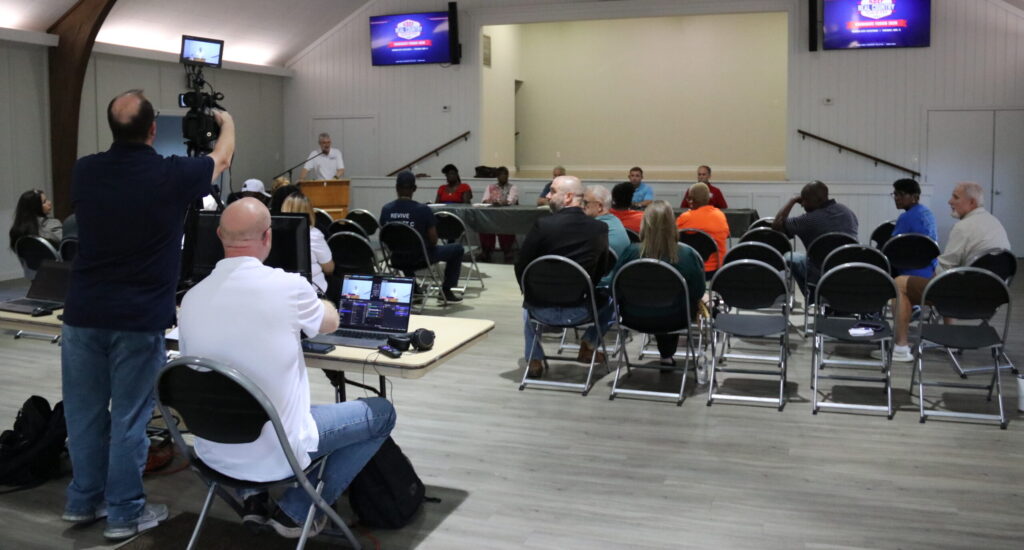


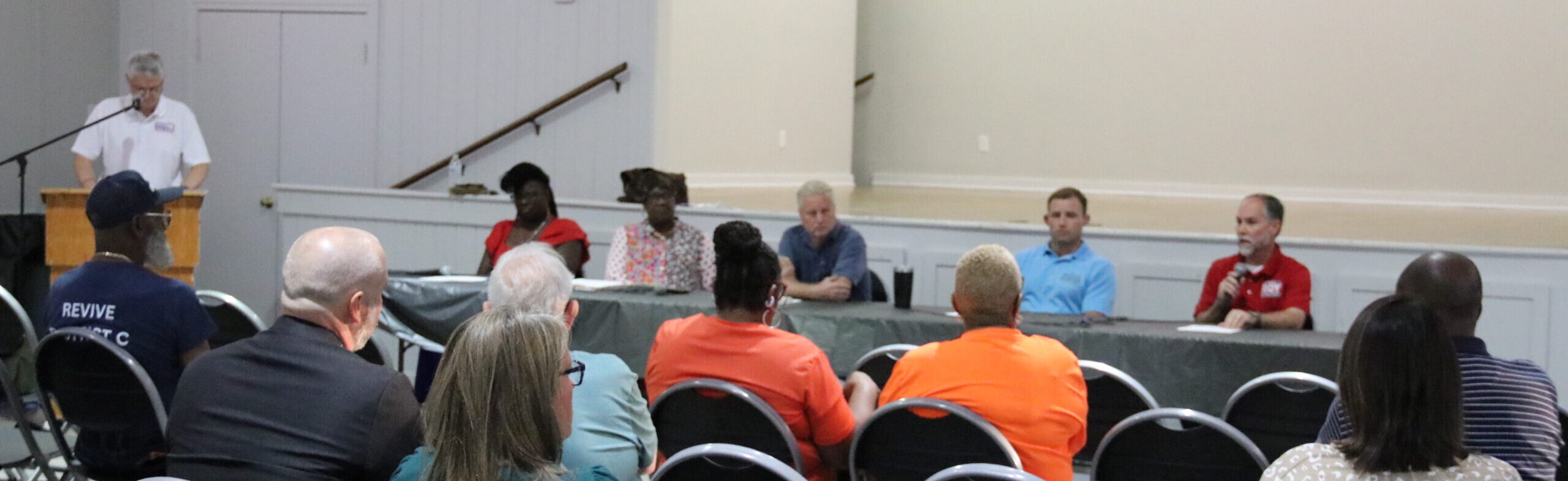
Candidates for the Minden City Council shared their visions for the city’s future during the KASO/KBEF Candidate Forum held Monday, October 12, at the Minden Community House. The discussion covered economic development, infrastructure, neighborhood upkeep, city spending and taxes, with all five participating candidates expressing a desire to see Minden grow while preserving its sense of community. Coverage of the candidates for Chief of Police will be featured in a future Minden Press-Herald article.
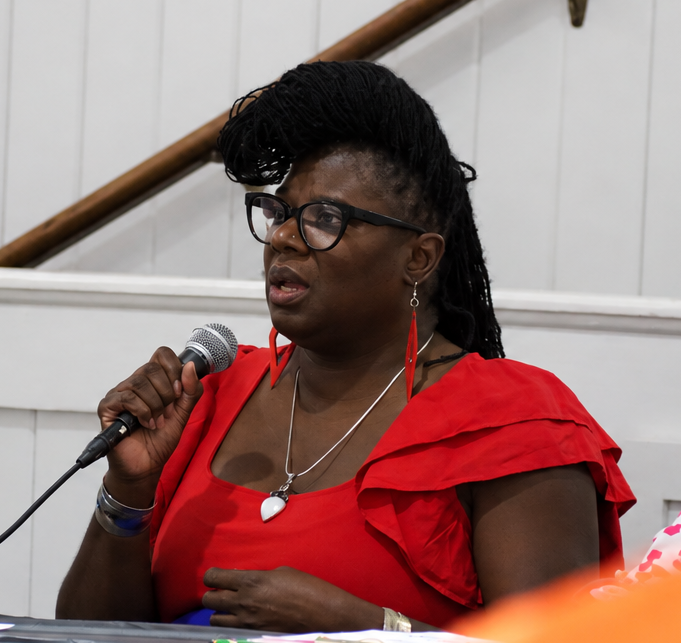
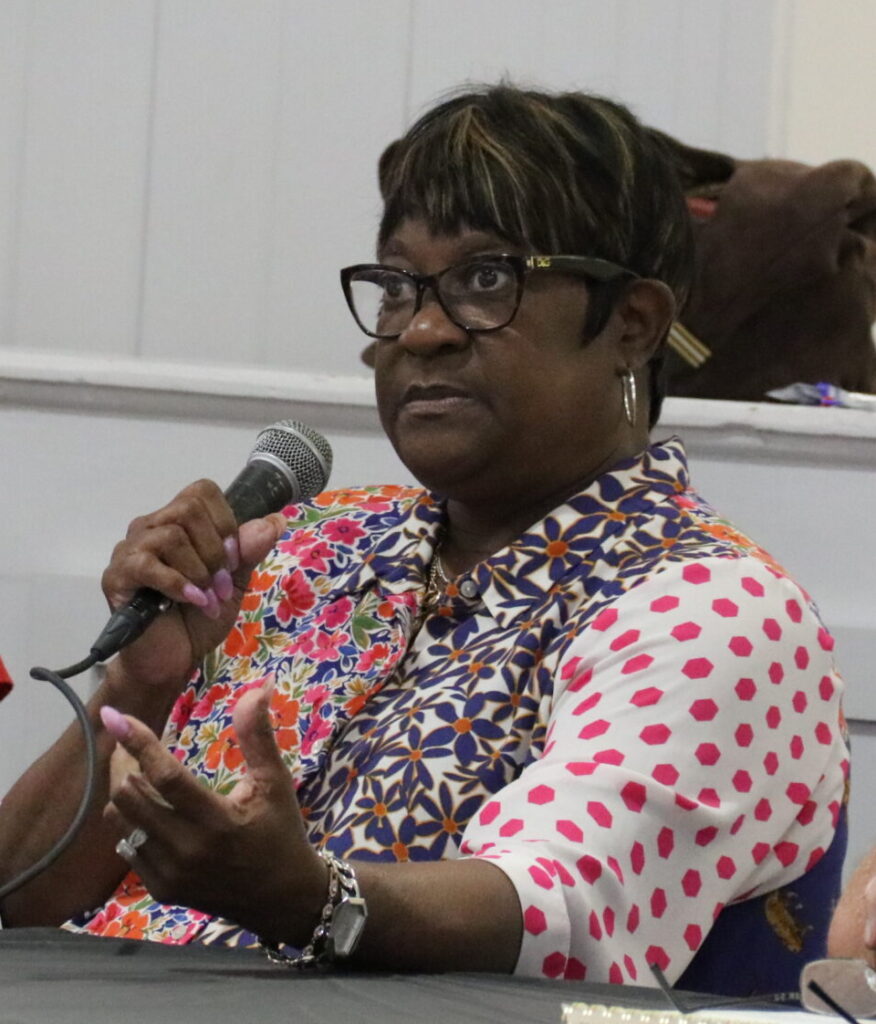
Participating council candidates included Javelin Hardy, Janice “Louise” Keener and Eric Lee, all seeking the District C seat, and District D candidates Braley Raborn and incumbent Councilman Michael Roy.
Community involvement and future growth

Hardy emphasized restoring the sense of community she remembers growing up in District C, when neighbors worked together on cleanup projects and helped families experiencing hardships.
“My goal is to revive District C, to make it feel alive again, and to bring resources into the community,” she said.
Hardy advocated neighborhood meetings, community cleanups and improved communication between council members and residents. She also expressed interest in exploring solar power as a way to reduce household utility expenses and establishing a community center or Boys & Girls Club-type facility to provide activities for young people.
Keener also focused on community involvement, saying District C residents need stronger relationships with their elected representatives.
Having lived in the district for more than 50 years, she said she wants residents to know whom to contact when problems arise and feel confident their concerns will be addressed.
Keener identified deteriorating properties, limited business opportunities, and the need for more activities for young people among her concerns.
“Just to grow and make people want to come to this city to live and not see our youngsters leave to go to other cities to make money, to live, to raise their families,” she said.
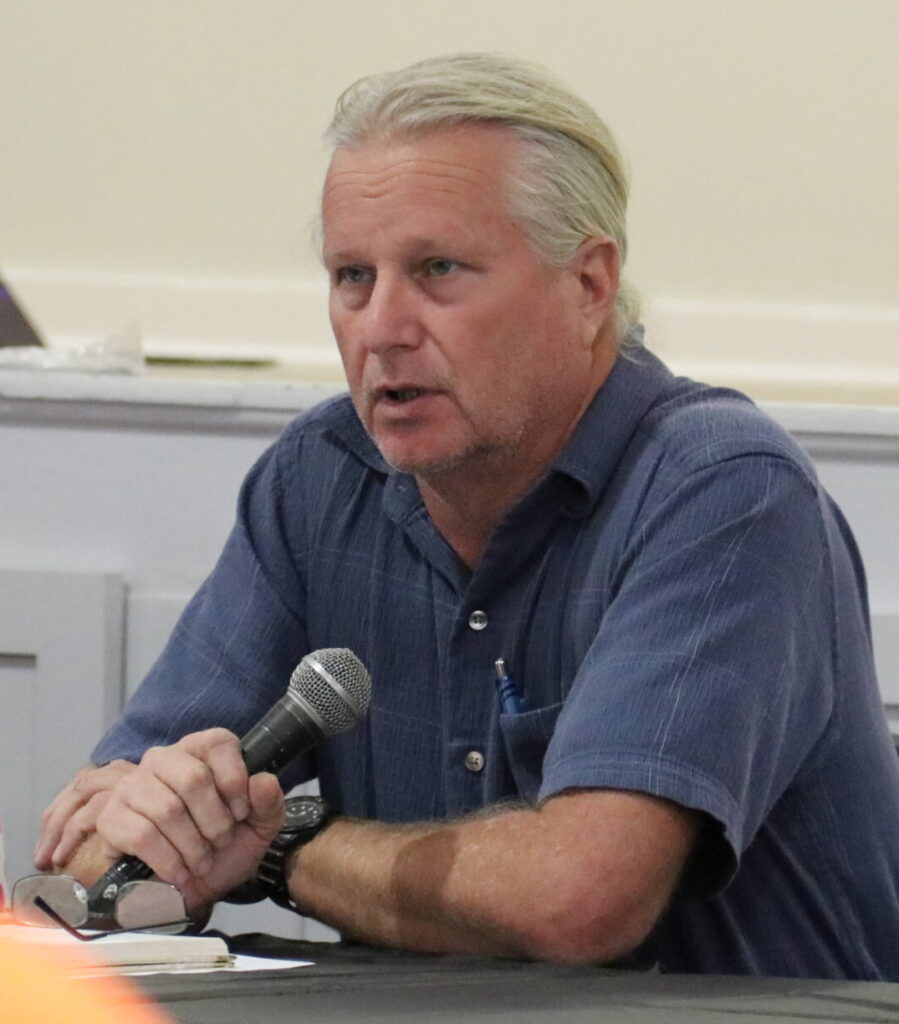
Lee pointed to his 35 years of employment with the City of Minden as experience that would help him serve on the council. He emphasized infrastructure improvements, responsible budgeting, and long-term planning.
“We need to attract more businesses, but we need to support the businesses that we do have,” Lee said. “So we need to get some industry, some manufacturing, and try to keep folks here instead of leaving.”
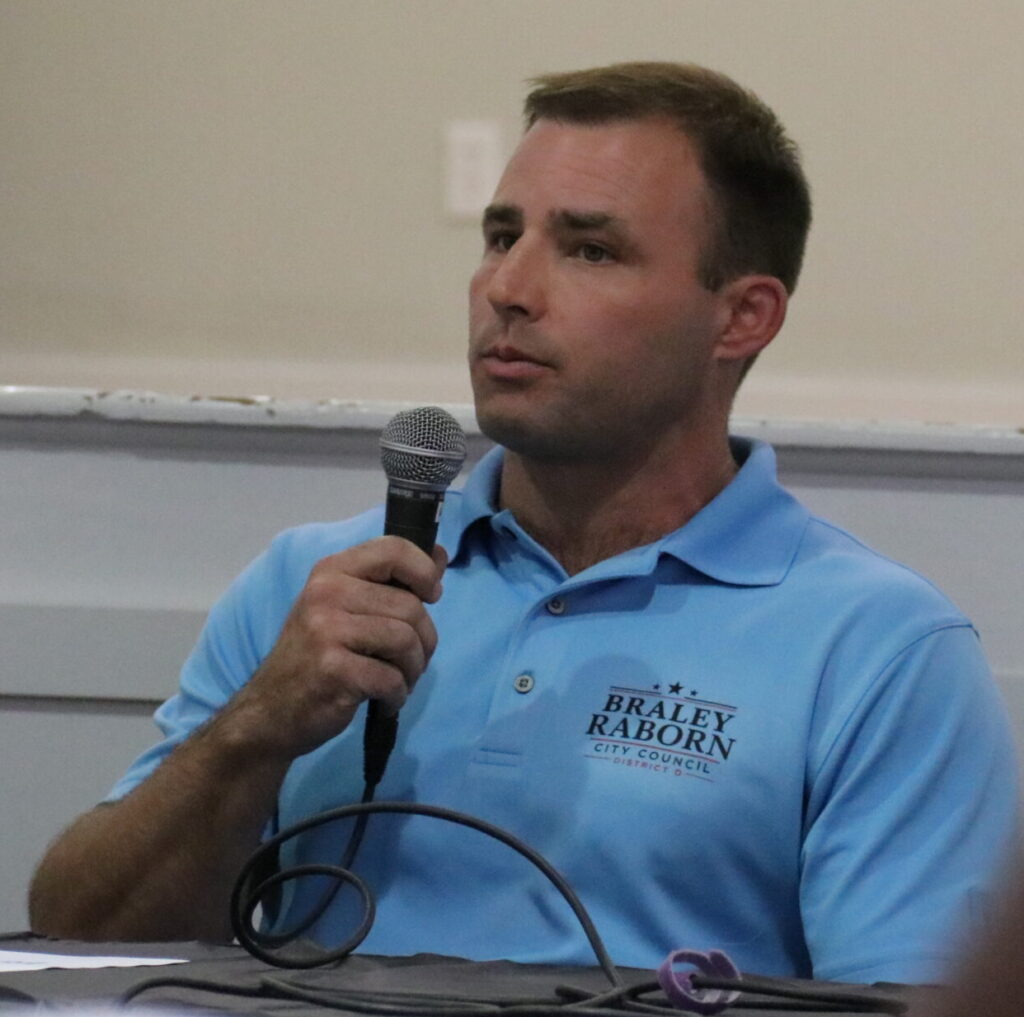
Raborn, who moved to Minden with his wife approximately eight years ago, said his engineering background would help him evaluate major city projects and financial decisions.
He identified housing development as a priority, particularly neighborhoods designed for young families.
“We need starter-family neighborhoods, not low-income, but starter-family neighborhoods,” Raborn said, suggesting public-private partnerships and infrastructure expansion could help make those developments possible.
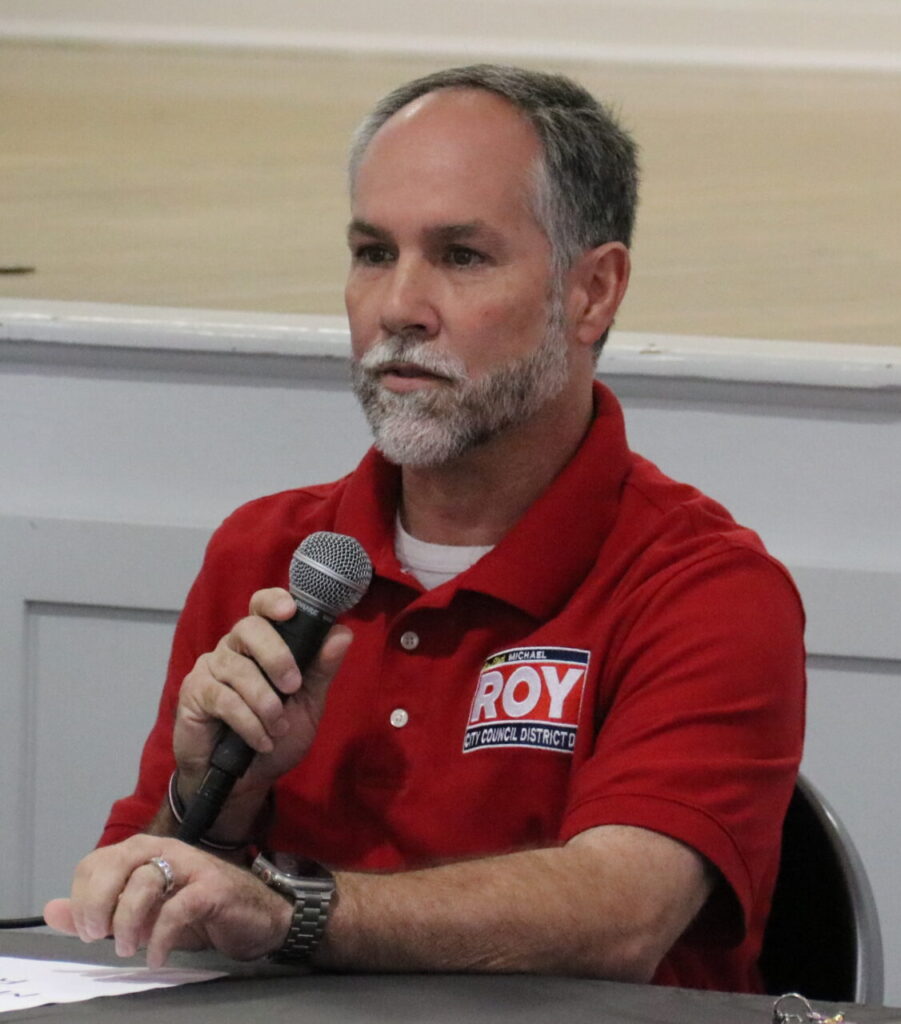
Roy emphasized continuing what he described as the city’s recent progress. He said Minden needs a coordinated long-term plan involving the City Council, Webster Parish Police Jury, and Webster Parish School Board.
“I think we need to get on the same page, get a five- or ten-year plan, and then implement that throughout the city and parish,” Roy said.
He also pointed to approximately $14.5 million in state funding that he said the city’s lobbying efforts have helped secure for infrastructure improvements.
Neighborhood appearance and infrastructure
When asked about the most pressing concerns in their districts, candidates repeatedly identified deteriorating properties, damaged streets, abandoned vehicles, and the need for better communication with residents.
Hardy said many residents are unfamiliar with city government decisions and suggested reviving neighborhood coalitions where council members could explain budgets, ordinances and upcoming projects.
She also raised concerns about speeding on Shreveport Road.
Keener expressed similar concerns about traffic safety, particularly near Erwin Thompson Drive, and said deteriorating properties along major thoroughfares can create a negative impression for visitors traveling through Minden.
Lee emphasized the importance of keeping residents informed about city decisions while continuing to address aging infrastructure.
In District D, Raborn identified abandoned vehicles, neglected properties, and Lewisville Road as major concerns.
“We’ve got to get the city cleaned up. It’s destroying housing values,” he said, explaining that even one neglected property or vehicle can affect an entire street.
He also noted that poor road conditions create additional expenses for motorists through damaged tires, rims, and suspension components.
Roy agreed that Lewisville Road needs attention and said he has been working with state officials on traffic safety improvements, including lighted crosswalks and speed limit signs. He also expressed hope that the state would repave the roadway next year.
The candidates returned to neighborhood upkeep when asked specifically how they would improve Minden’s appearance.
Hardy proposed quarterly community cleanups, with the city providing large containers for disposing of unwanted items, including tires and other debris.
She also called for enforcement of existing ordinances against businesses as well as residential property owners, citing an abandoned former concrete business near High Street that she described as a dumping ground.
Keener urged city officials to inspect neighborhoods throughout Minden and enforce property maintenance codes consistently.
“The city could be so pretty,” she said, emphasizing that improvements should extend to every district.
Lee agreed that hazardous properties should be addressed but encouraged city officials to work with owners of vacant family homes before pursuing demolition.
Raborn added that deteriorating sidewalks should receive more attention, particularly where broken or raised concrete creates tripping hazards.
Roy discussed the city’s establishment of Mayor’s Court to address property standards violations. He said the process of bringing neglected properties into compliance can take too long and should be streamlined.
Business development and housing
Economic development prompted discussion about what Minden needs to attract new employers and encourage existing businesses to remain.
Hardy said District C lacks several services available elsewhere in Minden, including a grocery store and pharmacy. She encouraged the city to speak with business owners about why some establishments have closed and what assistance might help others remain open.
Keener also advocated attracting businesses to District C, particularly near the Eaton facility, formerly Fibrebond, where she said employee traffic could help support additional stores and services.
Lee suggested reconsidering tax incentives as an economic development tool, acknowledging that he had previously opposed them but had heard from business owners that properly structured incentives can be effective.
He recalled the economic impact of the former Louisiana Army Ammunition Plant and said Minden should pursue industries that could support major employers such as Eaton.
Raborn said businesses considering relocation evaluate utility costs, workforce availability, housing, and infrastructure. He argued that Minden must provide more housing options if it wants to attract employers and their workers.
Roy also emphasized housing development, including apartment complexes, new residential construction, and potentially annexing additional land into the city.
However, he said residents have a responsibility to support businesses already operating in Minden.
“Eat in Minden, buy your clothes in Minden, buy your cars in Minden, and grocery shop in Minden,” Roy said.
He argued that local spending generates revenue needed to support city services and improvements.
Responsible spending and taxes
Candidates were also asked how they would ensure taxpayer dollars are spent responsibly and residents understand where the money goes.
Raborn advocated financial transparency through audits and regular communication. He proposed publishing a quarterly newsletter, which he called “Braley’s Bulletin,” explaining city spending and funding sources.
Roy said he regularly reviews financial reports and questions expenditures. He noted that Minden’s annual budget is approximately $46 million and emphasized the need to manage those funds carefully while addressing infrastructure that, in some areas, is more than a century old.
Hardy advocated involving residents in budget discussions and explaining how spending decisions affect their neighborhoods.
Keener said she would work to understand the budgeting process and communicate decisions to residents, including explaining why requested projects might not receive funding.
Lee questioned what he described as a departmental “use-it-or-lose-it” approach to annual budgets, suggesting the city should examine whether money could be managed more effectively and directed toward larger needs.
When asked under what circumstances they would support increasing taxes or fees, all five candidates expressed opposition to additional taxes under current conditions.
Keener said she saw no reason for taxes to be raised.
Lee pointed to the existing sales tax burden, citing rates of 10.5 percent in much of Minden and 12.5 percent in certain economic development districts. He said he could not support new taxes at this time.
Raborn was equally direct.
“I would not support a tax increase,” he said, adding that residents are already heavily taxed.
Roy also opposed an increase, saying the city should focus on responsible spending and encouraging residents to shop locally to strengthen sales tax revenue.
Hardy agreed with the other candidates and said high taxes and household expenses sometimes lead her to shop outside Minden in search of lower prices.
Looking ahead
In their closing statements, candidates returned to the themes of growth, financial responsibility and community cooperation.
Lee urged the city to plan several years ahead rather than relying too heavily on grants that may not be awarded.
“We’ve got to operate within the limits of our budget,” he said, adding that improvements require both financial planning and community involvement.
Raborn emphasized that Minden must maintain its neighborhoods and continue pursuing growth to avoid the financial difficulties experienced by some smaller communities.
Keener reiterated her desire to unite District C residents and improve housing, streets and business opportunities.
“Unity is strength. Solidarity is progress,” she said.
Hardy recalled the community spirit demonstrated by her grandmother, Vera Hardy, who she said helped establish an early African American Head Start and kindergarten program in Minden. She described how families, churches, and neighbors once routinely supported one another.
“We have lost connection,” Hardy said. “I would love to see that community connection come back together.”
She also suggested exploring housing incentives that could encourage employees of major local employers to live in Minden.
Roy closed by emphasizing the importance of preparing the city for future generations.
“Because if we don’t get on the same page, we’re not going to have a Minden for them to call home,” he said.
The forum was hosted by KASO/KBEF and was available to listeners on AM 1240 KASO and viewers through the station’s Facebook page.
The City Council races will be decided in the November 3 election.