

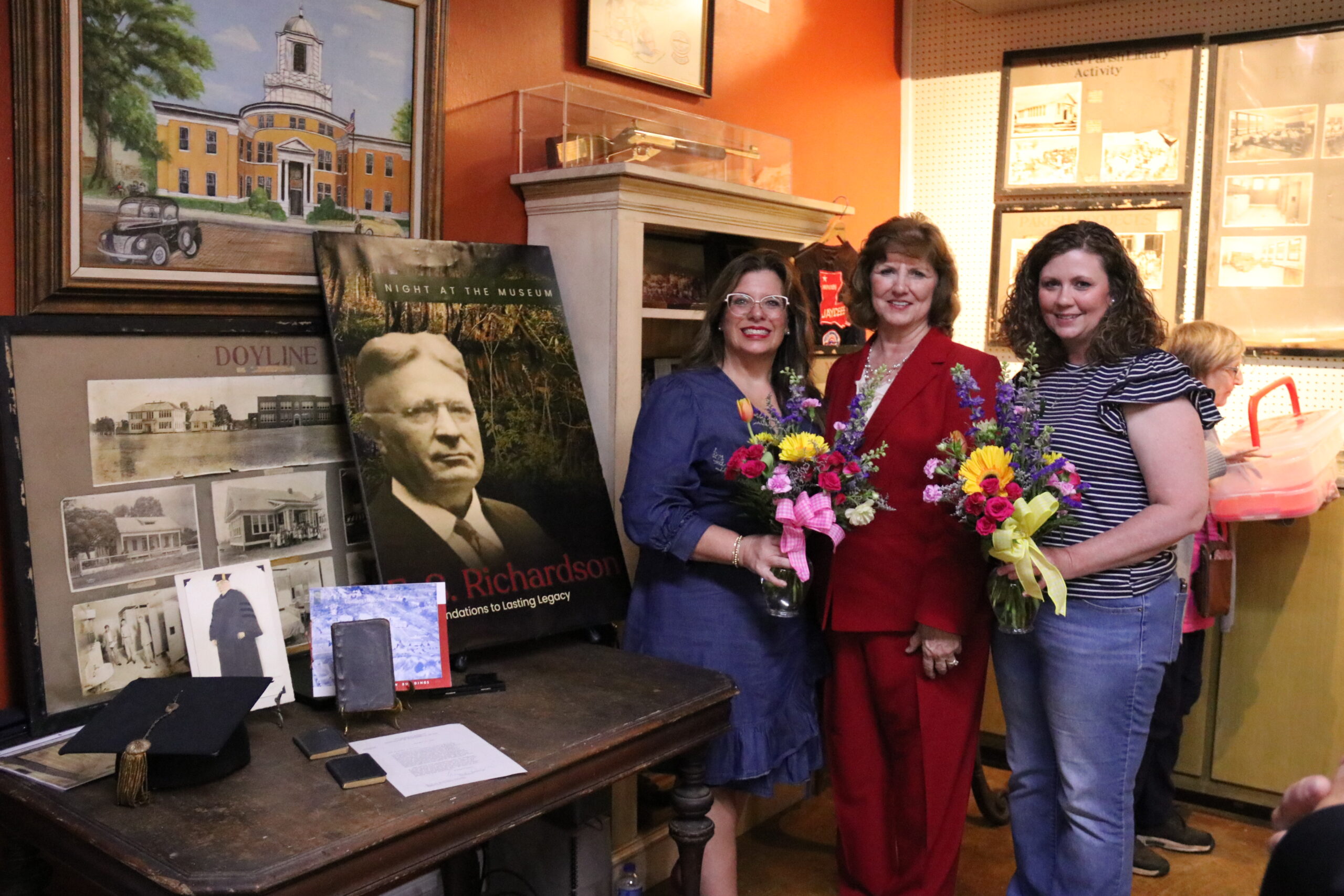
The Dorcheat Historical Association and Museum hosted its monthly Night at the Museum program featuring Cindy Madden and Dr. Lisa Flanders-Dick, who presented “From Foundations to Lasting Legacy,” a program examining the life and impact of educator Edward Sanders Richardson.
Madden, Richardson’s great niece, told attendees she began her research knowing little beyond his family connection, a school bearing his name, and his role as president of Louisiana Polytechnic Institute. As her research progressed, she said she uncovered far more than could be included in the presentation.
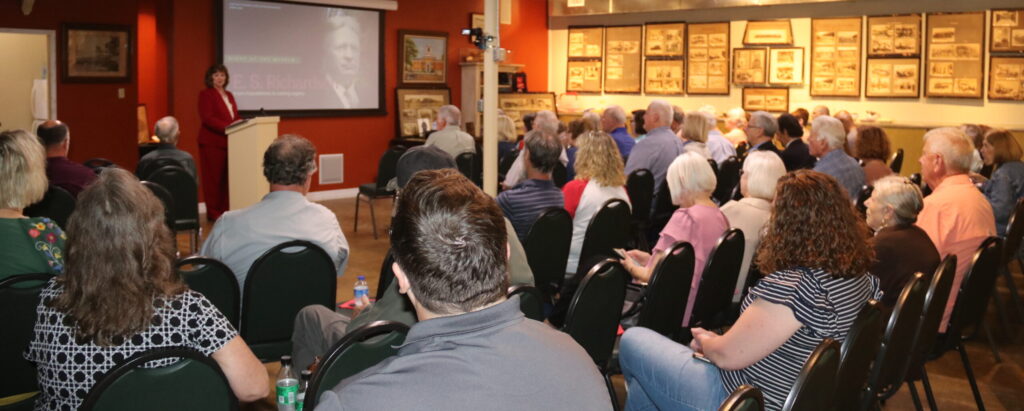
Several members of the Richardson family attended the event. The full presentation is available on the museum’s YouTube channel.

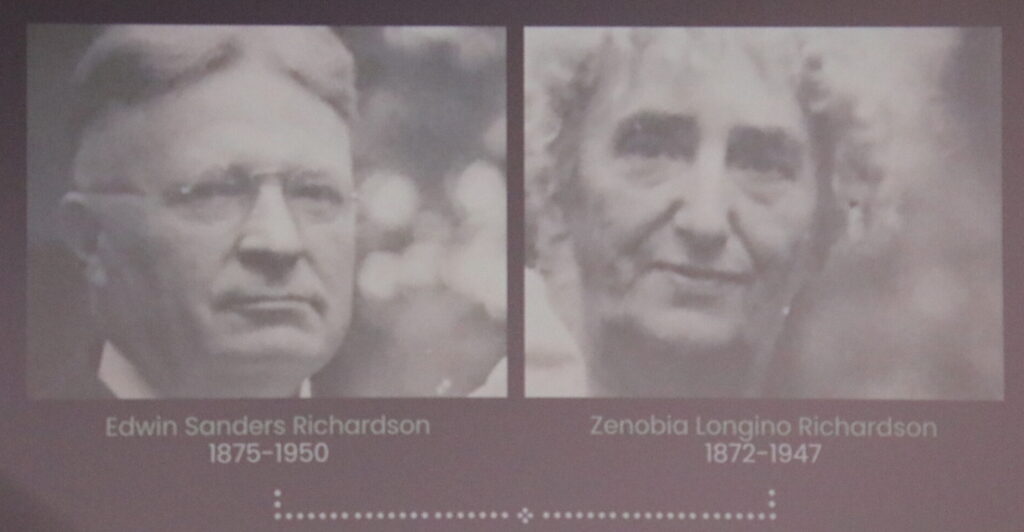
Richardson rose from modest beginnings, shaped early by his father, a Civil War veteran who turned to teaching after being wounded. “His father’s disability and his father’s work ethic … it really made an impression on E.S.,” Madden said. “His father was really big about education and community service.”
After earning a teaching certificate in Arkansas, Richardson became a school principal, where he designed his first school. While there, he married Zenobia Longino, and the couple had five children.
By 1904, at age 29, Richardson was listed as a professor in the Bienville Parish school system. Madden said his leadership style quickly emerged. “What he was good at was getting people to work with him.” During this time, he built Bienville High School, organized community clean-up and fundraising efforts, and advocated for agricultural education and equal educational opportunities.
Richardson later accepted a position in the agricultural extension department at Louisiana State University, where he introduced innovative outreach methods. Among them was the use of trains to bring agricultural and home economics education directly to rural communities.
Seeking to reach farmers unable to travel, Richardson developed another approach. Working with a photographer, he created silent educational films that could be shown from a car. The films, covering topics such as winter cover crops and cotton cultivation, are considered among the first known educational films. His efforts earned recognition from The Times-Picayune, which referred to him as the “granddad of visual education.”
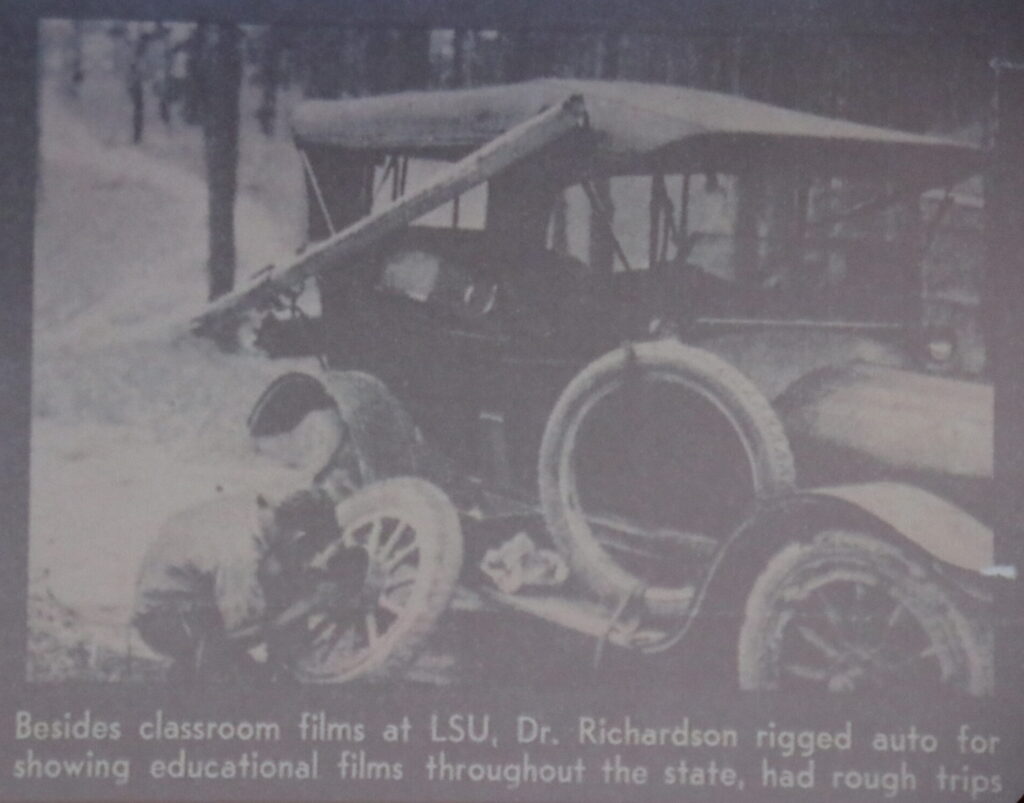
In early 1915, the Junior Extension Service of LSU used the films to reach 140 schools across 40 parishes, presenting to an estimated 23,340 children, farmers, and community members.
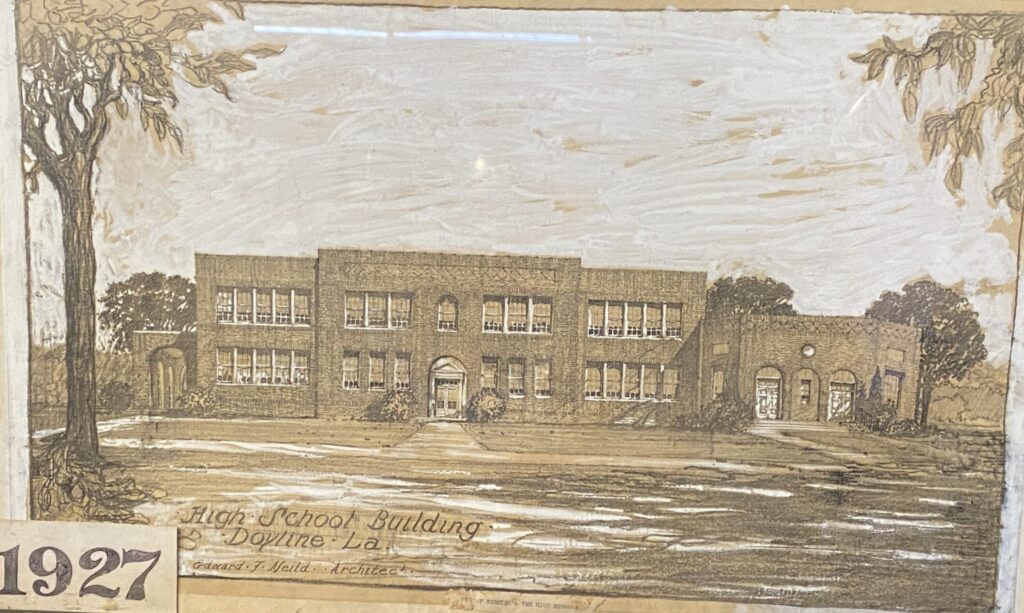
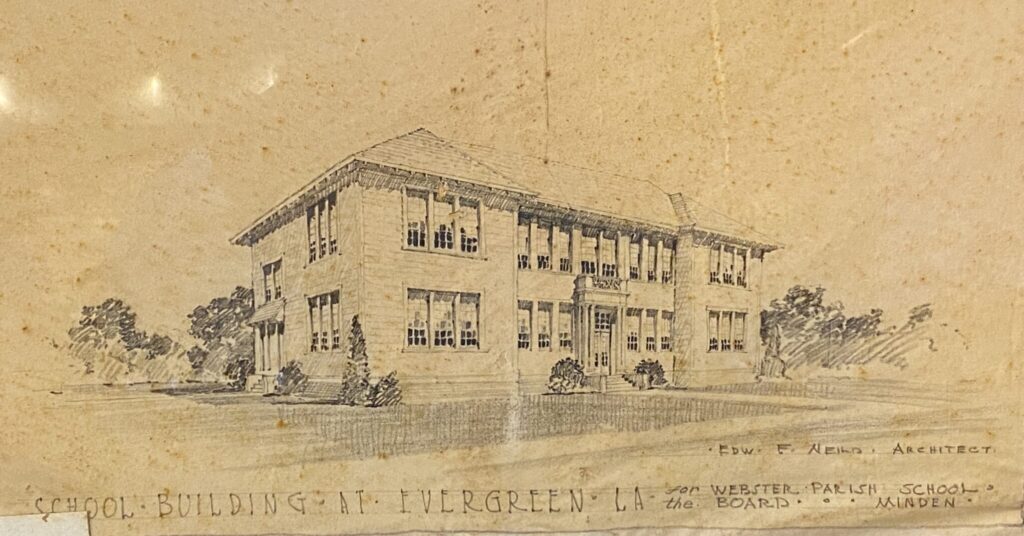
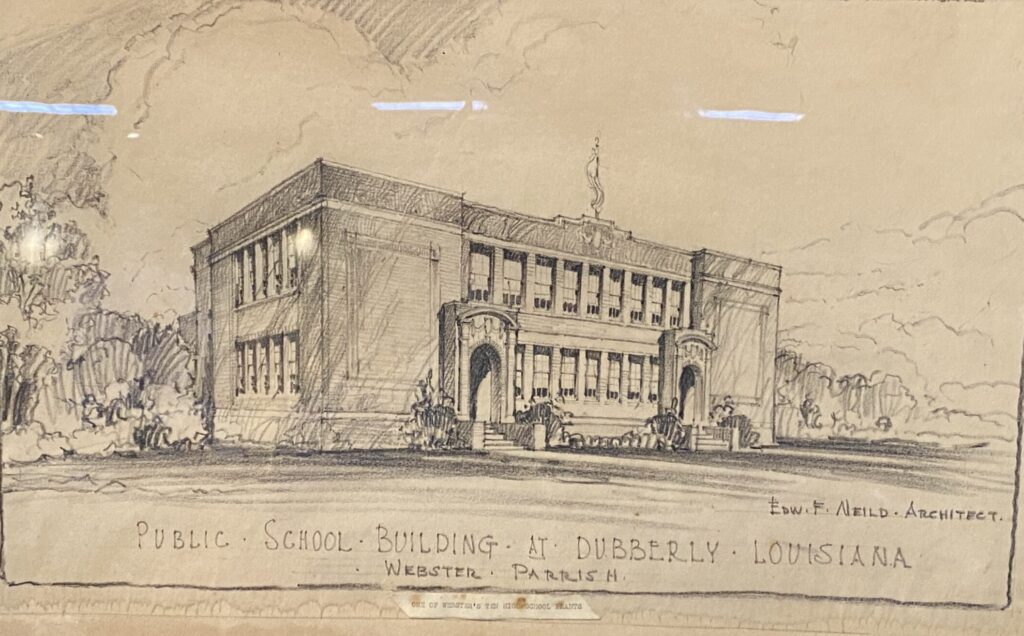
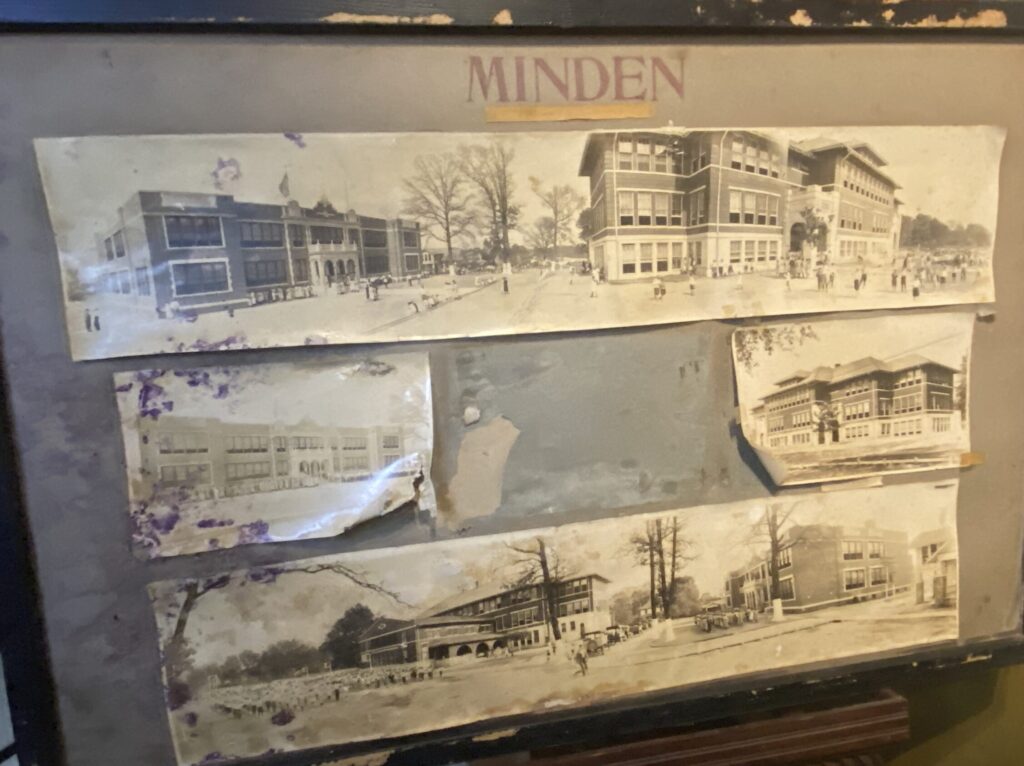
Richardson returned to Webster Parish in 1919 and was elected superintendent in 1921. He began by assessing local conditions and found 39 small school centers, many staffed by unqualified teachers. By 1925, those schools had been consolidated into 10 centralized, state-approved schools, many of which remain in use.
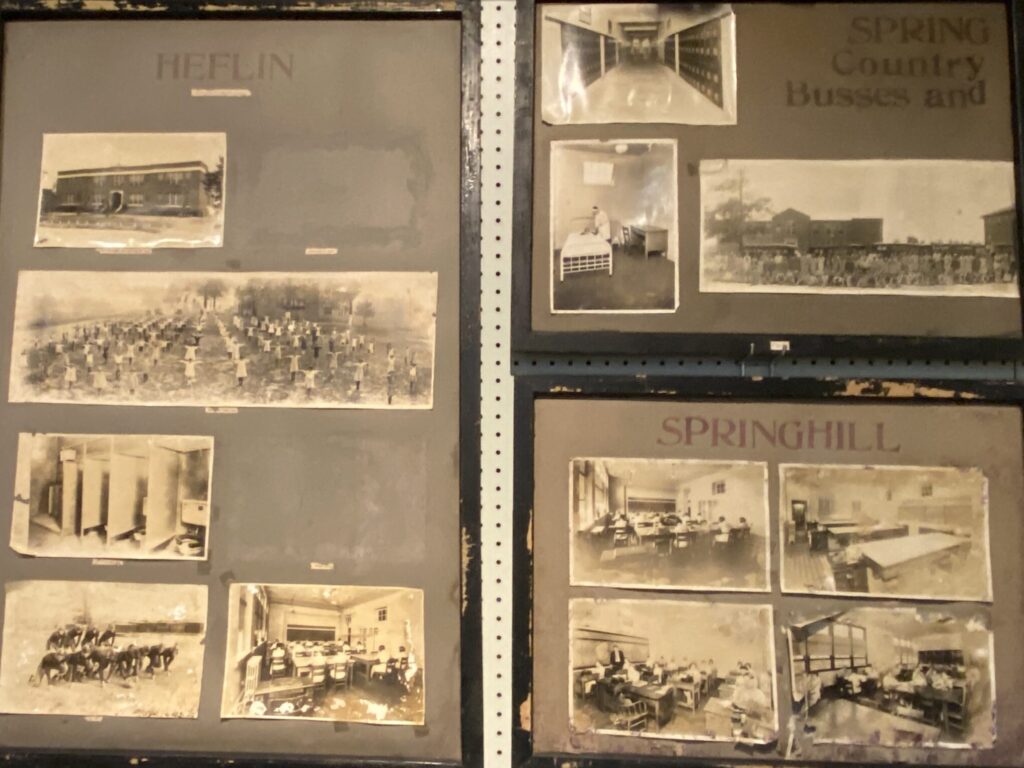
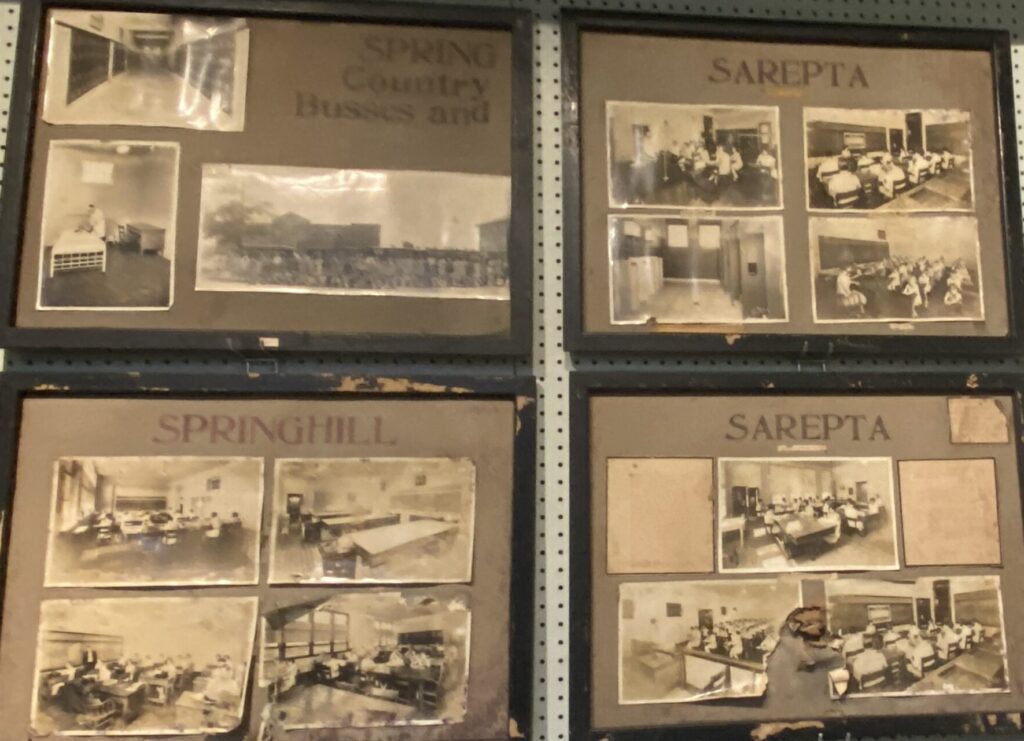
He also implemented transportation solutions by contracting for school trucks and buses, allowing rural students to attend centralized schools. His county unit plan, which consolidated smaller schools into larger institutions with improved resources and vocational opportunities, was later adopted nationwide.
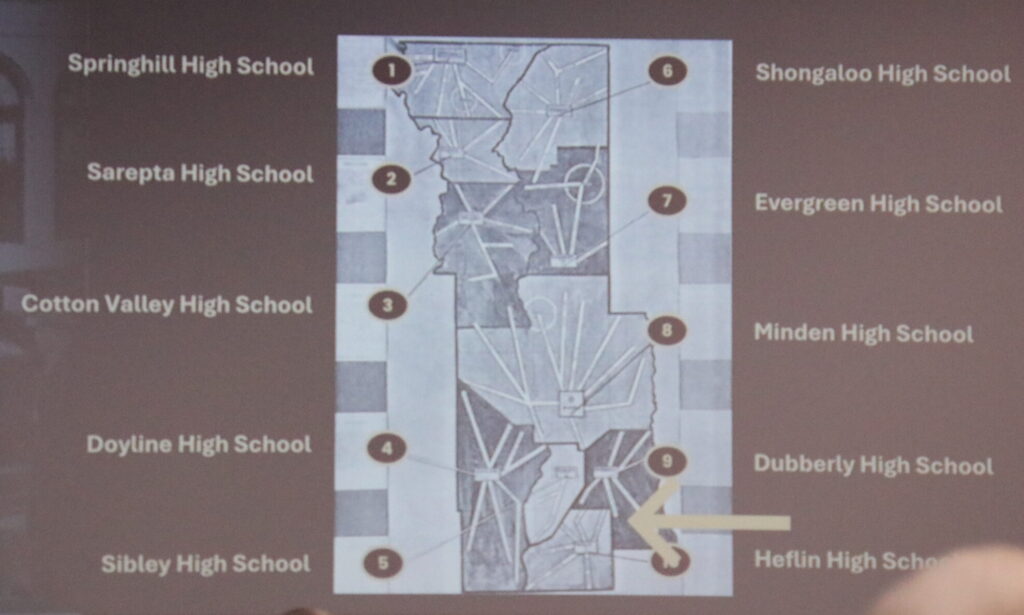
Richardson promoted the plan beyond the parish, creating a display comparing conditions before and after its implementation. After presenting it at a state fair in Baton Rouge, he was encouraged by educator Thomas Harris to present it at a National Education Association meeting in Cincinnati, where it was well received and later toured across the country.
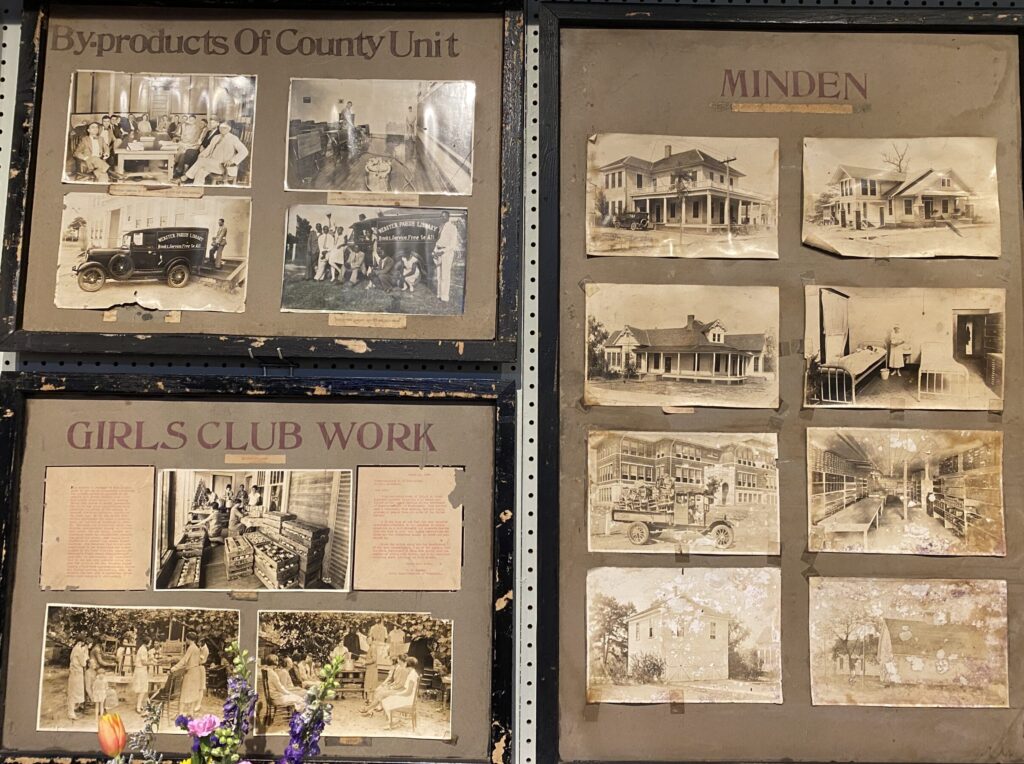
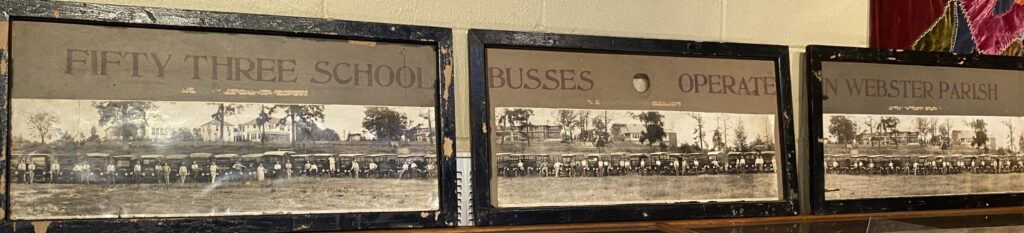
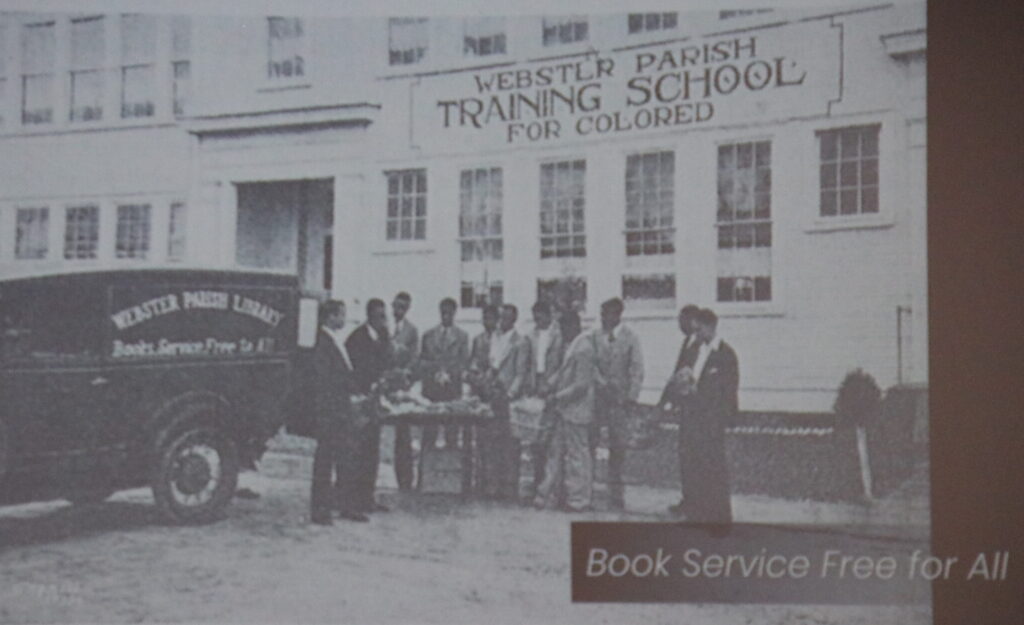
Richardson opposed construction of a library that would exclude Black residents, later supporting a 1929 facility open to all.
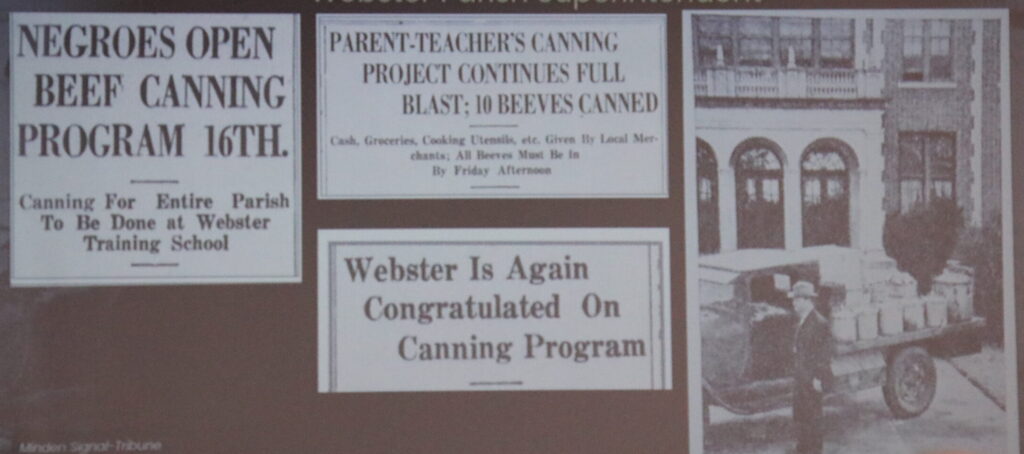
During a severe drought in 1930, following the onset of the Great Depression, Richardson coordinated with home demonstration agents to establish free canning stations across the parish. More than 50,000 cans of food were preserved to support residents.
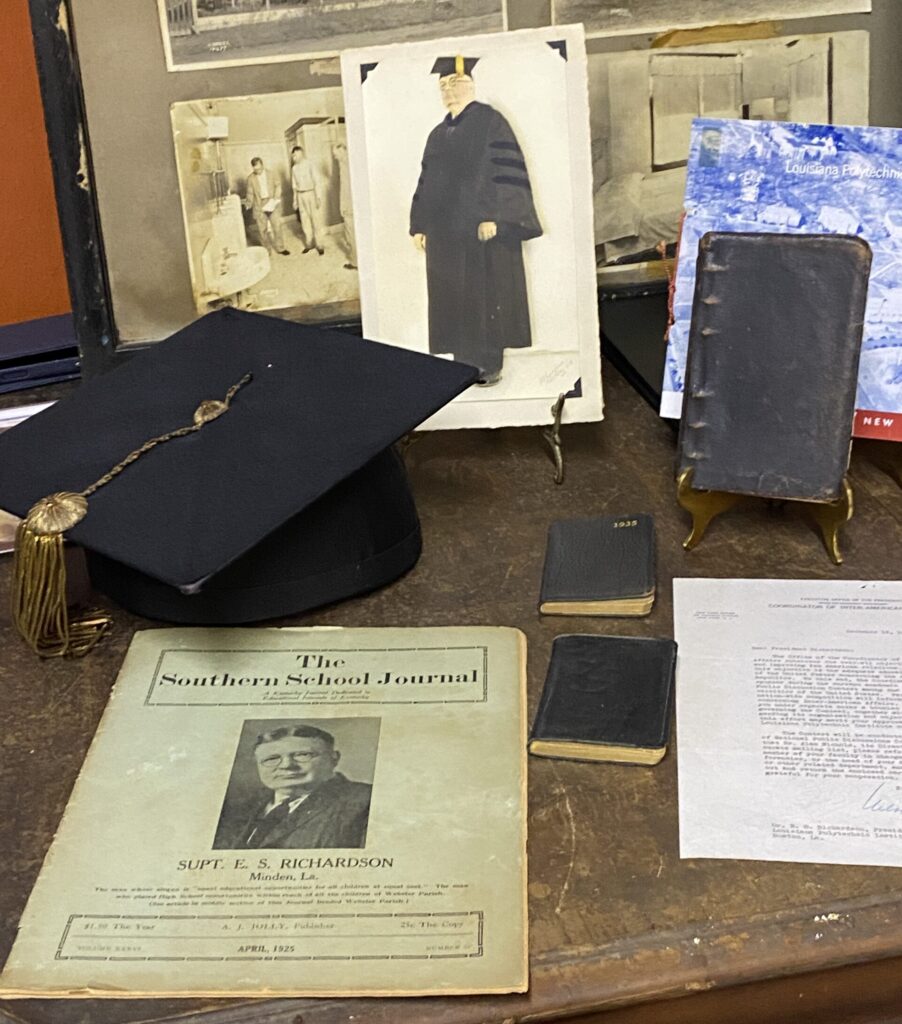
After 16 years as superintendent, Richardson resigned and in 1936 became the ninth president of Louisiana Polytechnic Institute, now known as Louisiana Tech University. During his tenure, he oversaw campus expansion and growth in faculty and enrollment before retiring in 1941 at age 66.
In later years, he worked with the Webster Parish wartime office, coordinating with federal and local agencies during expansion of a nearby ammunition plant. At age 72, he joined the state Department of Commerce and Industries, where he promoted agricultural development, including the potential of the sweet potato industry.
Richardson died on October 11, 1950, following what presenters described as a life dedicated to public service. That same year, E.S. Richardson Elementary School was established in his honor.
The Dorcheat Museum encourages the public to view the full presentation online and supports its programming through donations, which can be made through its website: www.dorcheatmuseum.com.